Non-adhesive shelf liners offer a convenient way to protect surfaces without leaving sticky residues. However, keeping them in place can be a challenge, as they tend to slide or bunch up with regular use. Understanding how to secure these liners properly can make a significant difference in maintaining an organized and functional space.
Key Takeaways
- Non-adhesive shelf liners require proper placement techniques to stay in position.
- Using friction-based solutions and household items can enhance grip.
- Choosing the right material and texture can significantly improve performance.
Understanding the Common Challenges of Non-Adhesive Shelf Liners
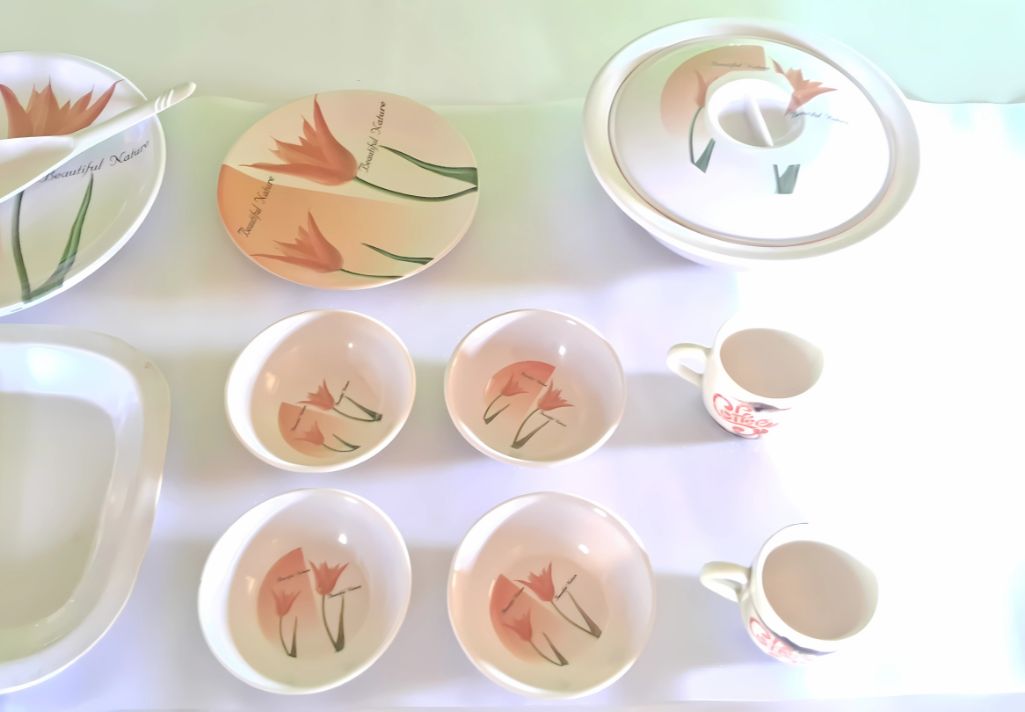
Many individuals opt for non-adhesive liners due to their ease of removal and reusability. Despite these advantages, issues such as slipping, curling, and shifting often arise. These problems occur because non-adhesive liners lack a built-in sticking agent, relying solely on surface tension and weight to stay put. High-traffic areas, moisture exposure, and uneven shelving can further contribute to instability. Addressing these challenges requires effective placement techniques and support mechanisms.
Choosing the Right Shelf Liner Material for Better Grip
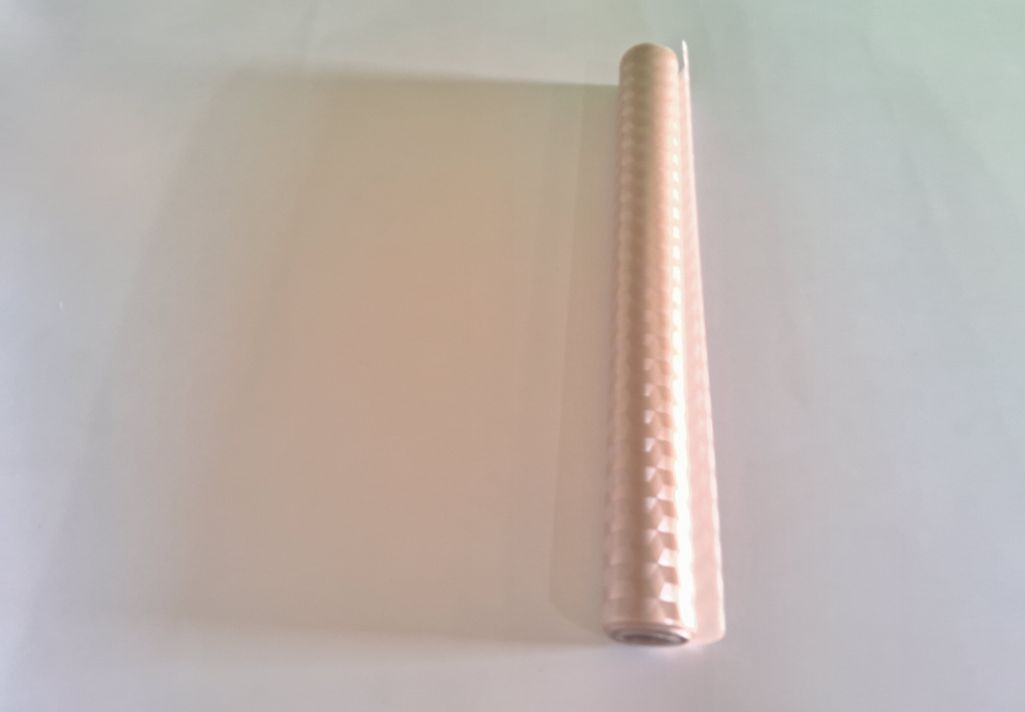
The effectiveness of a non-adhesive shelf liner depends on its material. Rubber-based liners typically offer better traction compared to foam or plastic alternatives. Textured liners with a slightly rough surface create friction, reducing the likelihood of movement. Additionally, selecting a liner with sufficient thickness can enhance stability by preventing excessive shifting. A careful examination of available options helps ensure that the liner remains in place under varying conditions.
Using Double-Sided Tape or Shelf Grippers for Stability
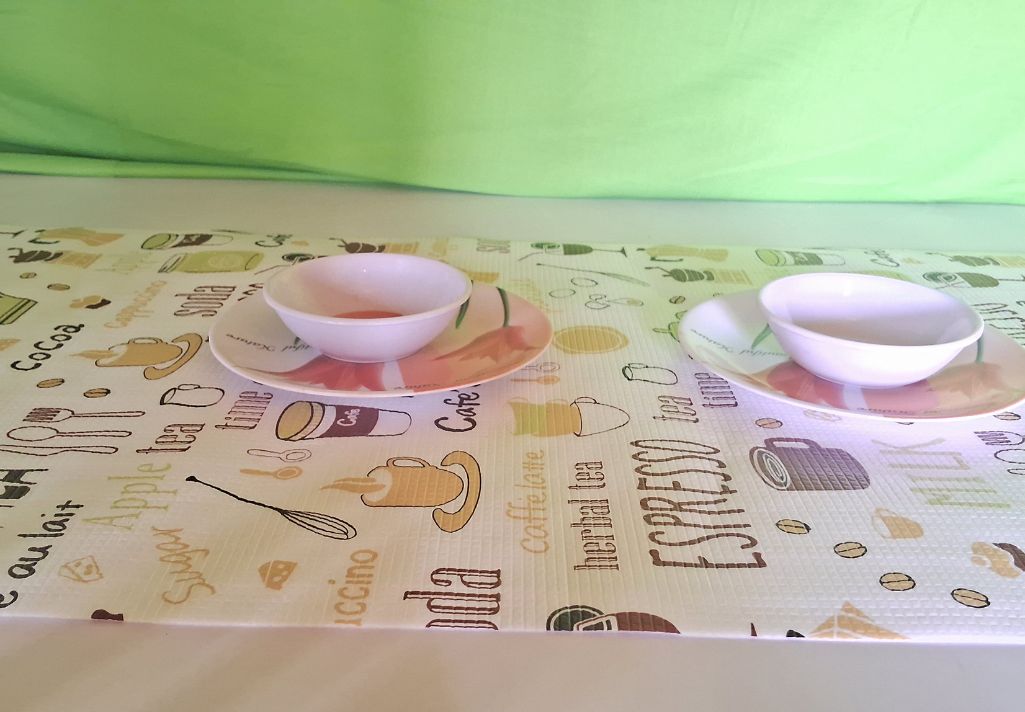
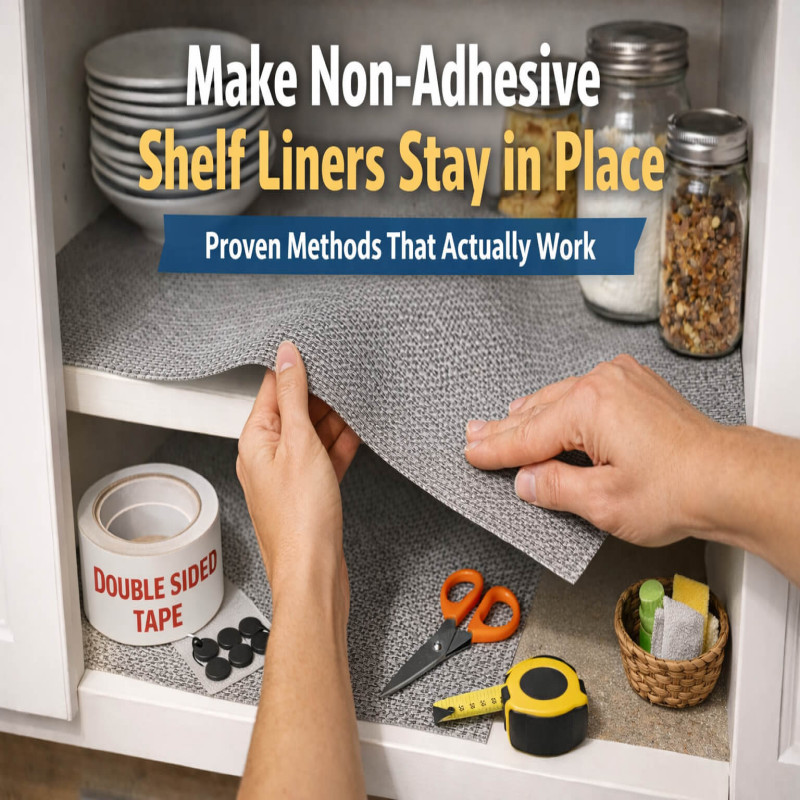
One practical approach to securing non-adhesive shelf liners involves the use of double-sided tape or shelf grippers. Although these solutions do not rely on permanent adhesives, they provide temporary fixation that prevents slipping. Applying small strips of double-sided tape at the corners and along the edges helps maintain position while allowing for easy liner removal when necessary. Alternatively, rubber shelf grippers act as an intermediary layer, increasing friction without damaging the surface.
Leveraging Heavy Objects to Keep Liners in Place
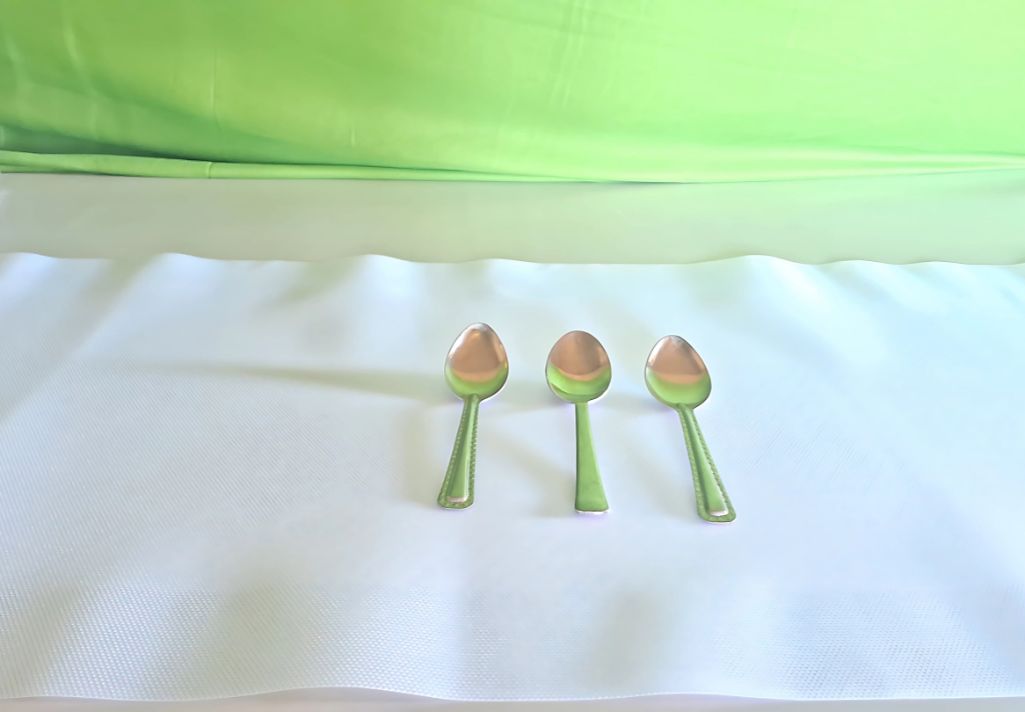
Placing heavy objects strategically on the liner can enhance stability. Items such as kitchen organizers, storage bins, or utensil holders provide additional weight that prevents movement. This method works best for shelves storing frequently used items, as consistent weight distribution helps keep the liner flat and secure. Additionally, arranging objects symmetrically reduces uneven pressure that could otherwise cause bunching.
Moistening the Shelf Surface to Enhance Grip
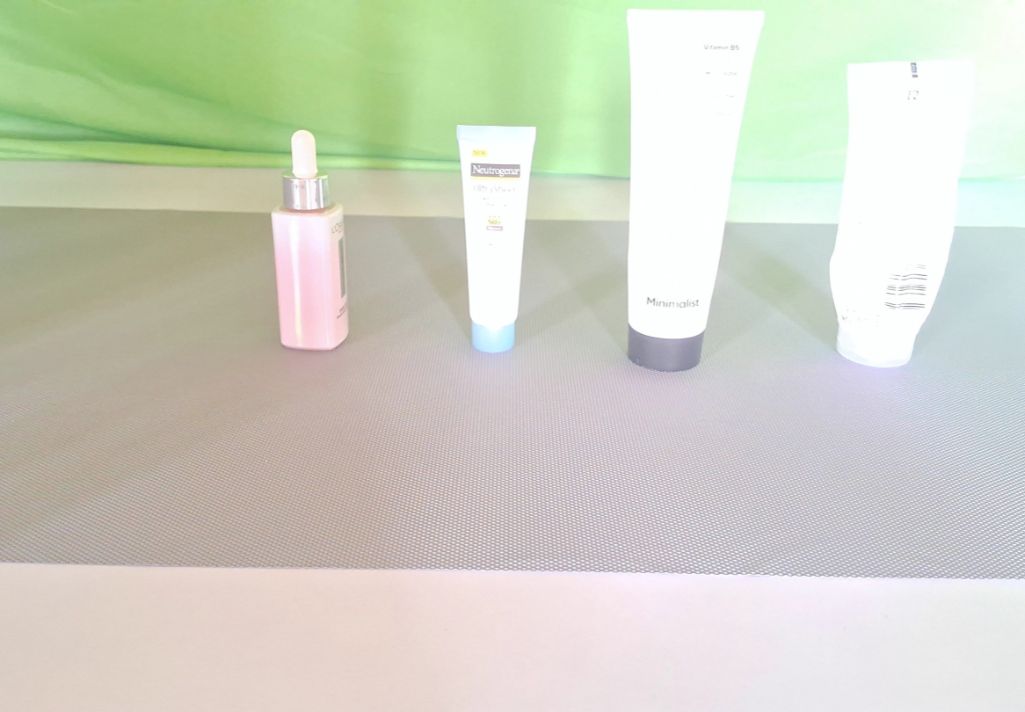
A slightly damp surface can improve the grip of certain non-adhesive liners. By lightly spraying water onto the shelf before placing the liner, friction increases, reducing movement. However, excessive moisture should be avoided, particularly on wooden surfaces, as it may cause damage over time. This technique is particularly useful for plastic or metal shelving, where a minor amount of moisture enhances adhesion without causing harm.
Creating a Custom-Fit Liner for Enhanced Stability
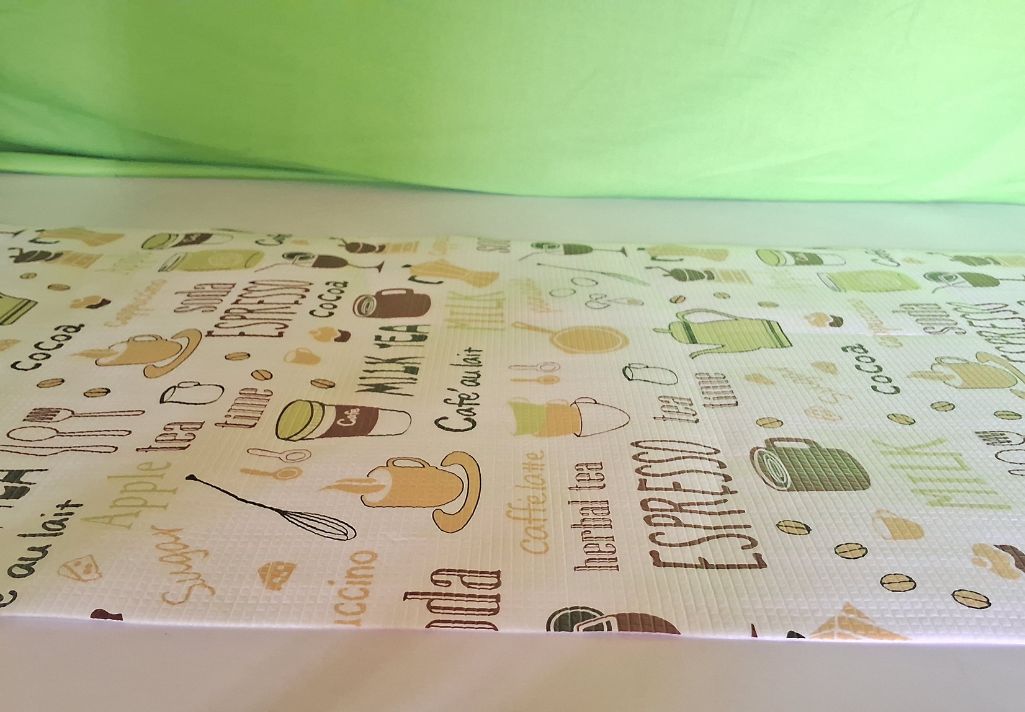
Precision cutting ensures that the liner fits perfectly within the designated shelf area. A liner that extends beyond the edges tends to shift more easily, whereas a snug fit minimizes movement. Measuring shelves accurately and trimming liners to match exact dimensions contribute to a neater and more secure arrangement. Rounded corners and slight indentations allow for better alignment with shelving contours, further reducing the likelihood of displacement.
Adding a Silicone-Based Lining for Extra Grip
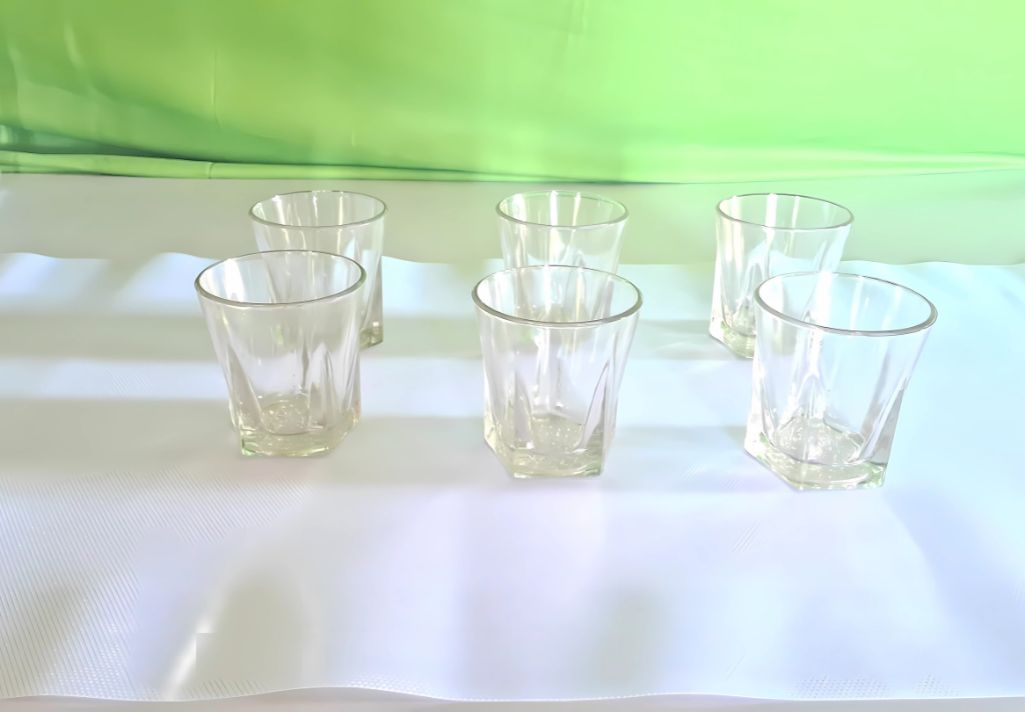
Silicone mats or silicone sprays can improve the adherence of non-adhesive shelf liners. Placing a thin silicone mat underneath the liner increases traction, preventing unwanted movement. Alternatively, applying a light layer of silicone-based spray to the shelf before laying down the liner enhances grip without creating a sticky residue. These solutions offer flexibility while maintaining the benefits of non-adhesive materials.
Exploring Non-Slip Underlays for Additional Support
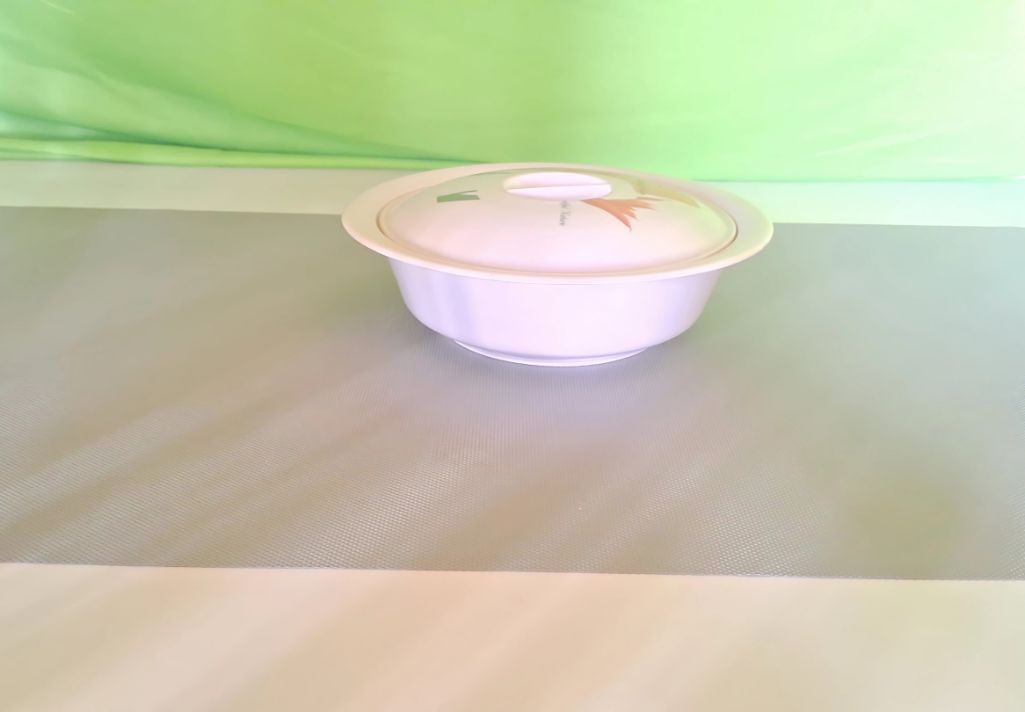
Non-slip underlays, commonly used for rugs and carpets, can also serve as an effective base for shelf liners. These materials provide a grippy surface that keeps the liner from shifting. Available in various thicknesses and sizes, non-slip underlays are easy to cut and customize for different shelving configurations. This method works particularly well for wire or glass shelves, where conventional liner materials struggle to maintain stability.
Securing the Liner with Magnetic Strips on Metal Shelves
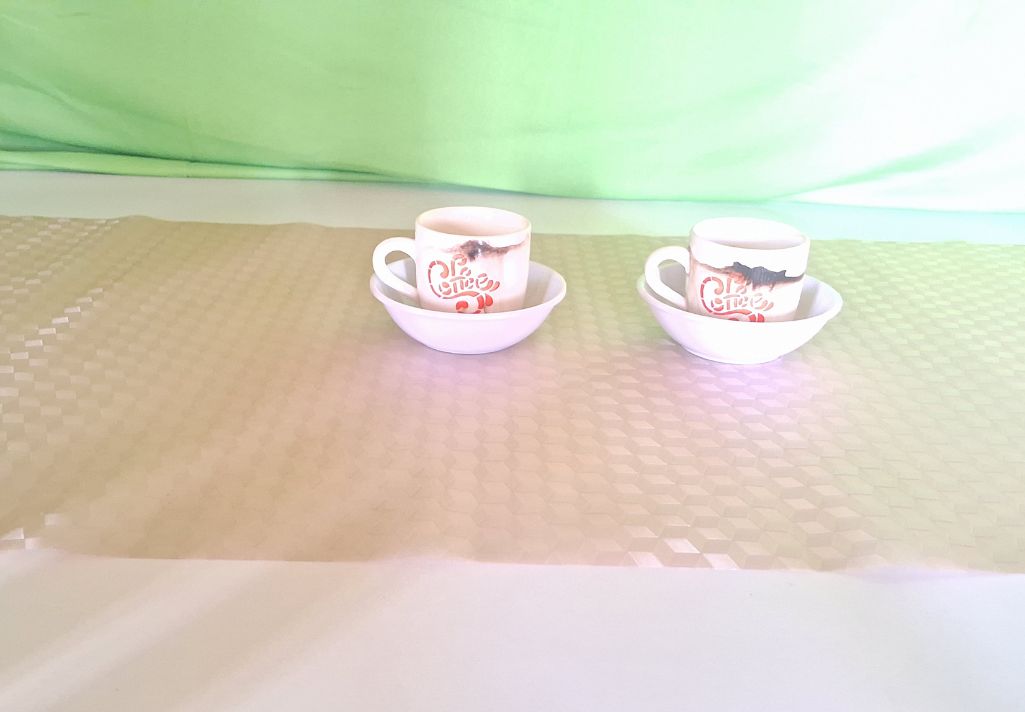
For metal shelving units, magnetic strips offer an innovative way to secure non-adhesive liners. Attaching magnetic strips to the underside of the liner creates a firm grip against the metal surface, eliminating movement. This method is ideal for industrial or kitchen shelving where metallic surfaces provide natural adherence points. Magnetic solutions ensure a seamless look while maintaining the ease of liner replacement.
Using Fabric Weights to Reinforce Placement
Adding fabric weights or weighted objects along the edges of the liner can keep it securely in place. Small sand-filled pouches or bean bags positioned at the corners prevent curling and displacement. This method is particularly effective for drawers and cabinets where movement is frequent. The additional weight acts as a stabilizer, ensuring that the liner remains flat and functional.
Avoiding Common Mistakes That Cause Liners to Slip
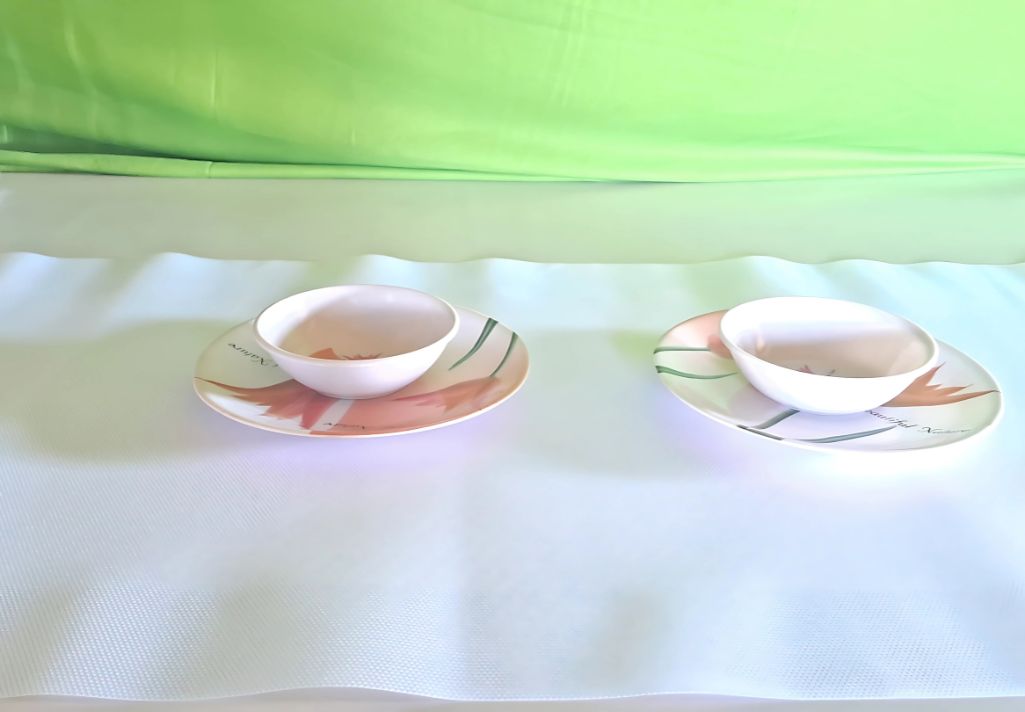
Several common mistakes contribute to shelf liner movement. Overlapping multiple liners creates uneven surfaces, increasing the risk of slippage. Using overly rigid materials may prevent proper adherence, causing gaps that encourage movement. Additionally, neglecting to clean the shelf surface before installation results in dust accumulation, reducing traction. By addressing these factors, users can significantly improve liner stability and longevity.
Conclusion
Ensuring that non-adhesive shelf liners remain in place requires a combination of strategic placement, proper material selection, and supplementary gripping solutions. From using double-sided tape to leveraging silicone mats, numerous methods enhance liner effectiveness without relying on adhesives. By following these practical steps, maintaining an organized and slip-free shelf space becomes simple and hassle-free.
Meet Your Guide

Go Soundproof Team
The Go Soundproof Team is a group of soundproofing enthusiasts and product testers dedicated to helping you create quieter, more peaceful spaces. We review and test the latest quiet appliances and noise-reducing solutions to provide honest, expert advice you can trust.