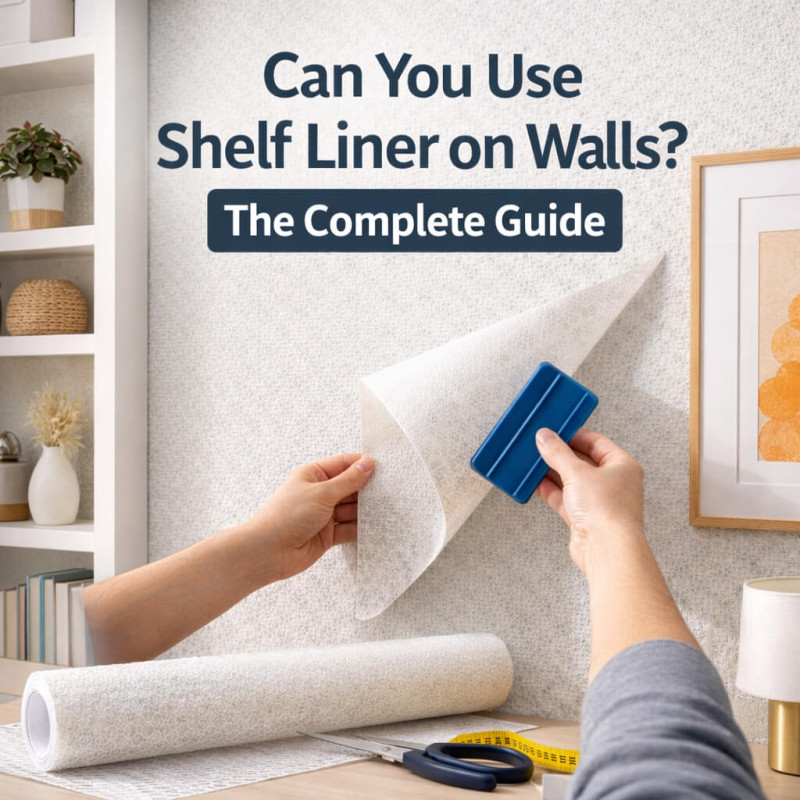
Yes, you can use shelf liner on walls, and it can be a surprisingly effective way to enhance your space with minimal effort. Shelf liner, commonly used in drawers and cabinets, has gained popularity as a decorative and protective wall covering. Whether you're a renter seeking a non-permanent upgrade or a homeowner exploring budget-friendly design solutions, shelf liner offers an easy and accessible option.
Key Takeaways
- Shelf liner can adhere well to walls, providing a temporary or semi-permanent decorative solution.
- It works best on smooth, clean surfaces to ensure proper adhesion and longevity.
- Various designs and textures make it suitable for aesthetic and functional purposes, including waterproofing and protection.
- Removing shelf liner from walls is easy when done correctly, preventing damage to the underlying surface.
Supplies Needed
Before applying shelf liner to walls, gather the necessary supplies to ensure a smooth process:
- High-quality shelf liner with an adhesive backing
- A measuring tape or ruler
- A utility knife or scissors
- A smoothing tool (such as a credit card or wallpaper applicator)
- A cleaning cloth or sponge
- A mild cleaner for surface preparation
Benefits of Using Shelf Liner on Walls
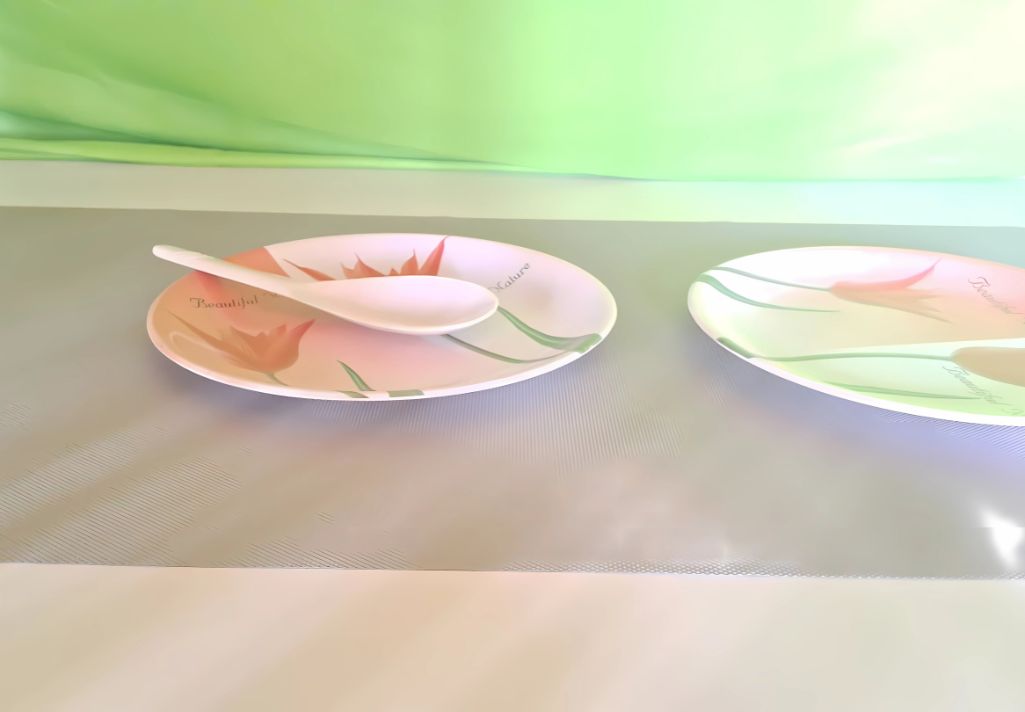
Applying shelf liner to walls presents multiple advantages beyond its intended use for shelves and drawers. It serves as an easy and affordable way to refresh walls without committing to permanent changes. Available in a variety of patterns, colors, and textures, shelf liners can mimic expensive materials like wallpaper, tile, or wood paneling. Additionally, they provide a protective barrier against moisture, making them useful in kitchens and bathrooms.
Another key benefit is their removable nature. Unlike traditional wallpaper or paint, shelf liners can be peeled off without causing damage, making them an excellent option for renters. They also help cover minor wall imperfections, offering a quick and stylish fix for outdated or worn-out surfaces.
How to Apply Shelf Liner to Walls
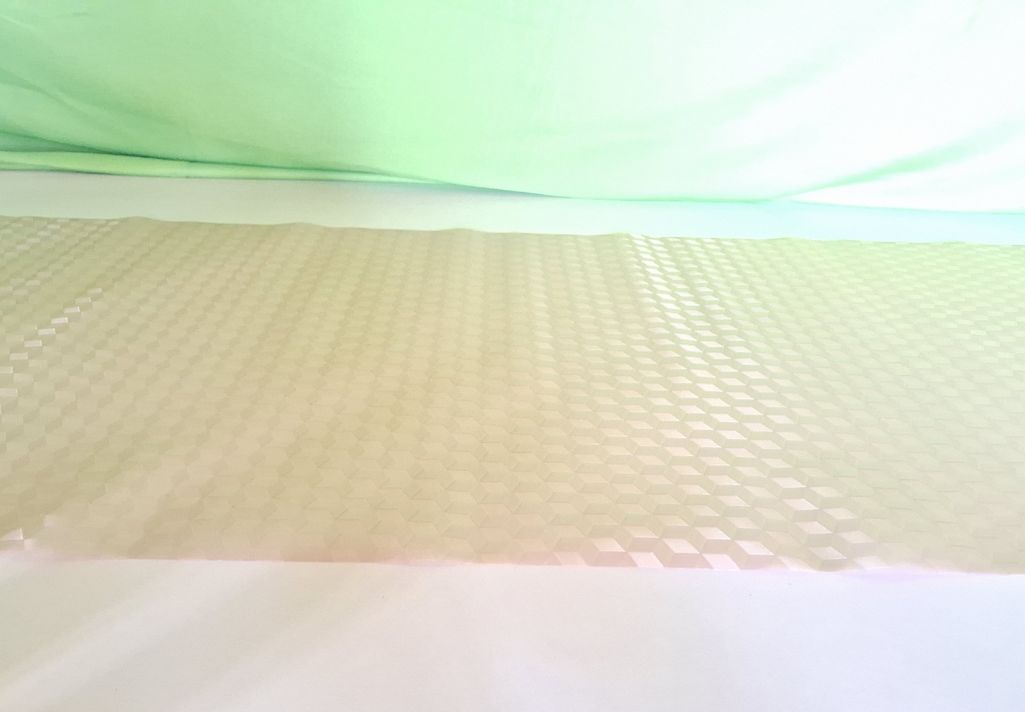
To successfully apply shelf liner to walls, proper preparation and technique are essential. Begin by cleaning the wall surface with a mild cleaner to remove dust and grease, ensuring optimal adhesion. Once dry, measure the area where the liner will be placed, and cut the material accordingly.
Starting at one edge, carefully peel off the backing while smoothing the liner onto the wall to prevent bubbles and wrinkles. A smoothing tool can help achieve a flawless finish. If necessary, use a utility knife to trim excess material for precise alignment. Taking the time to apply the liner carefully will result in a polished and professional appearance.
Where to Use Shelf Liner on Walls
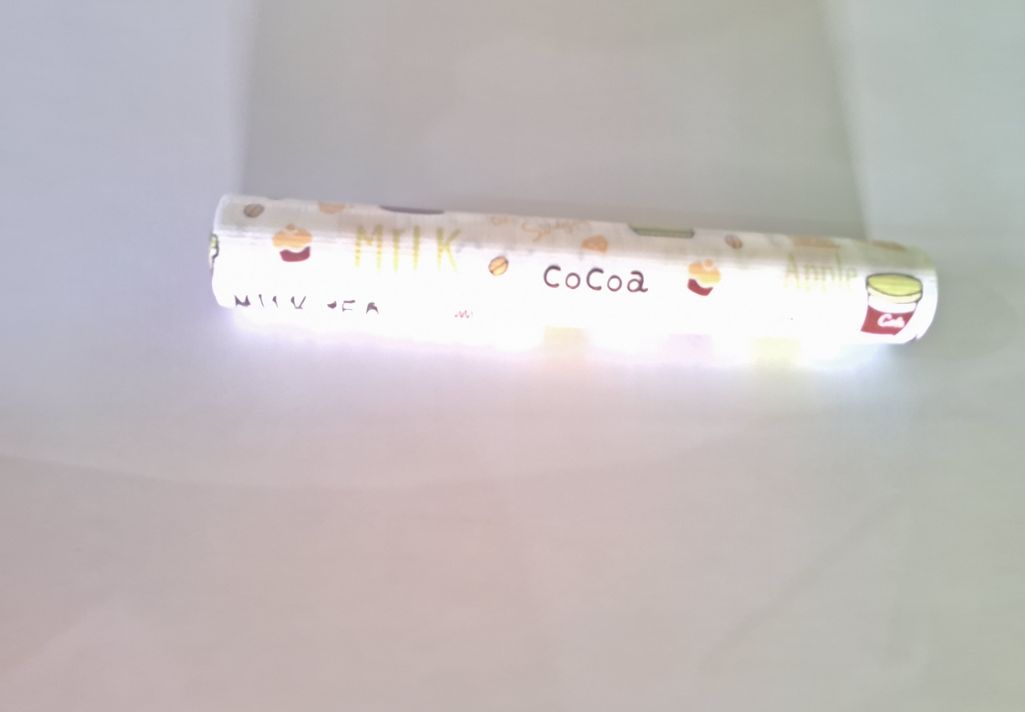
Shelf liner works well in various areas of the home, providing both aesthetic and functional benefits. In kitchens, it can serve as a backsplash alternative, protecting walls from splashes while adding a decorative touch. Bathrooms also benefit from waterproof shelf liners, which help resist moisture and mildew.
For living spaces, patterned shelf liners can create an accent wall without the commitment of wallpaper. Children’s rooms and nurseries are also ideal locations, as the liner can add playful designs while remaining easily removable as tastes change. Additionally, home offices and workspaces can be enhanced with subtle textures to create a more engaging environment.
Can Shelf Liner Damage Walls?
A common concern when using shelf liner on walls is the potential for damage upon removal. While high-quality liners are designed to be removable, improper application or prolonged use may result in adhesive residue. To minimize the risk, select liners with repositionable adhesive and conduct a patch test on a small area before full application.
When removing the liner, gently peel it off from one corner at a slow, even pace. If any residue remains, it can typically be removed with mild soap and water or a gentle adhesive remover. Properly applied and removed, shelf liners should leave walls in their original condition.
Creative Uses for Shelf Liner on Walls
Beyond traditional applications, shelf liner can be used creatively to enhance different spaces. One idea is to frame sections of liner to create removable wall art, adding visual interest without permanent alterations. It can also be used to line the back of bookshelves, providing a pop of color or texture that complements the room’s decor.
For those who enjoy seasonal decor changes, shelf liner offers a temporary solution to switch up aesthetics throughout the year. Whether for holiday-themed patterns or nature-inspired textures, swapping out liners is a quick and effective way to refresh a room. Additionally, it can be used as a protective covering for high-traffic areas prone to scuffs and stains.
Conclusion
Using shelf liner on walls is an excellent way to achieve a stylish and functional transformation without long-term commitment. Its versatility, ease of application, and removable nature make it a valuable tool for both renters and homeowners. With proper preparation and creativity, shelf liner can turn plain walls into personalized, visually appealing spaces. Whether enhancing a kitchen, bathroom, or living area, this budget-friendly material provides endless design possibilities while maintaining flexibility for future updates.
Meet Your Guide

Go Soundproof Team
The Go Soundproof Team is a group of soundproofing enthusiasts and product testers dedicated to helping you create quieter, more peaceful spaces. We review and test the latest quiet appliances and noise-reducing solutions to provide honest, expert advice you can trust.