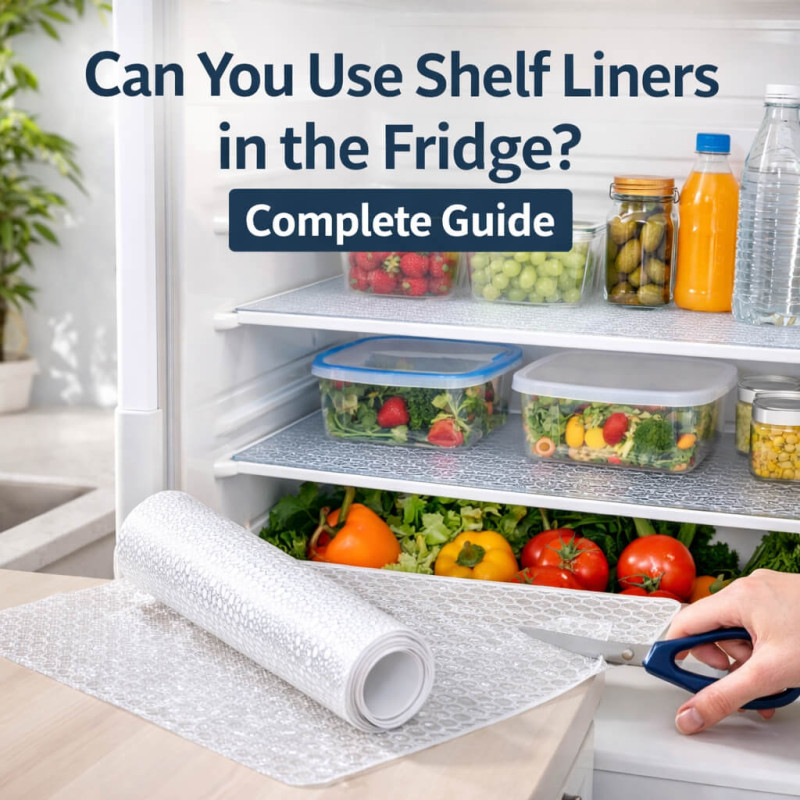
Yes, using shelf liners in the fridge is not only possible but also highly beneficial. Keeping your refrigerator clean and organized can be challenging, as spills, leaks, and food debris often accumulate on the shelves. Many homeowners wonder if they can use shelf liners to create an easier-to-clean and more structured storage system. The answer is a resounding yes, but with certain considerations regarding material selection, placement, and maintenance. In this article, we will explore why shelf liners can be a great addition to your fridge, what types to choose, and how to maximize their benefits.
Key Takeaways
- Shelf liners can protect refrigerator shelves from spills and stains, making cleaning easier.
- Choosing the right type of liner is crucial for safety, hygiene, and functionality.
- Proper maintenance ensures that liners remain effective and do not contribute to bacterial buildup.
- Some materials are more suitable than others; non-adhesive and food-safe options are preferred.
- Using shelf liners correctly can enhance food organization and storage efficiency.
Supplies Needed
Before installing shelf liners in your fridge, you will need a few essential supplies to ensure proper application and maintenance. The following items will help you achieve the best results:
- Food-safe shelf liners (preferably non-adhesive and BPA-free)
- Scissors or a precision cutter for trimming to size
- Measuring tape or ruler for accurate dimensions
- Mild dish soap and a clean cloth for pre-cleaning surfaces
- A soft-bristle brush for removing stubborn debris
Benefits of Using Shelf Liners in the Fridge
One of the primary advantages of shelf liners is their ability to protect surfaces from spills, leaks, and stains. Fridge shelves, especially glass ones, are prone to accumulating moisture and food residue, which can lead to bacterial growth if not cleaned regularly. Liners act as a protective barrier, reducing the need for frequent deep cleaning and prolonging the life of your refrigerator’s shelves.
Beyond cleanliness, shelf liners contribute to organization. They provide a non-slip surface, preventing items such as bottles and containers from shifting when opening or closing the fridge. Some liners even have grip textures that keep produce in place, reducing the chances of delicate foods being damaged. Additionally, certain types of shelf liners help regulate airflow, which can improve overall fridge efficiency by promoting better cooling circulation.
Choosing the Right Shelf Liner for Your Fridge
Selecting the correct type of shelf liner is crucial to ensuring food safety and effective functionality. Not all liners are created equal, and some materials are better suited for refrigeration environments than others. The best options include:
- Non-adhesive liners: These are easy to remove and clean, making them a practical choice for regular maintenance.
- BPA-free plastic liners: Opting for food-safe, BPA-free plastic helps minimize the risk of chemical leaching.
- Silicone liners: Durable and resistant to moisture, silicone liners provide an excellent non-slip surface for fridge shelves.
- Mesh liners: Designed to improve airflow, mesh liners are ideal for maintaining freshness, especially for produce sections.
It is advisable to avoid adhesive liners or materials that may release harmful chemicals in cold temperatures. Additionally, perforated or breathable liners are recommended as they prevent condensation buildup, which can otherwise encourage mold growth.
How to Install Shelf Liners in the Fridge
Installing shelf liners is a straightforward process that requires minimal effort. Start by thoroughly cleaning the fridge shelves with mild soap and warm water, ensuring they are completely dry before applying the liners. Use a measuring tape to determine the exact dimensions of each shelf, then cut the liner material accordingly. Carefully place the liner on the shelf, smoothing out any air bubbles or wrinkles to ensure a secure fit.
For best results, consider trimming the liners slightly smaller than the shelf dimensions to allow for airflow. If using a textured liner, position the grippy side facing upward to keep items from slipping. Regularly check and clean the liners to prevent dirt accumulation, replacing them when they show signs of wear.
Cleaning and Maintenance Tips for Fridge Shelf Liners
Proper maintenance of shelf liners ensures longevity and hygiene. Since fridge liners are exposed to spills and food residues, they should be cleaned regularly to prevent contamination. Most non-adhesive liners can be removed and washed with mild soap and warm water, while silicone liners may be dishwasher-safe for added convenience.
It is recommended to clean the liners at least once a month or immediately after a spill. For stubborn stains, a soft-bristle brush can be used to scrub away residue without damaging the liner. If the liner begins to show signs of deterioration, such as discoloration or fraying edges, replacing it promptly will help maintain an optimal refrigerator environment.
Common Mistakes to Avoid When Using Shelf Liners
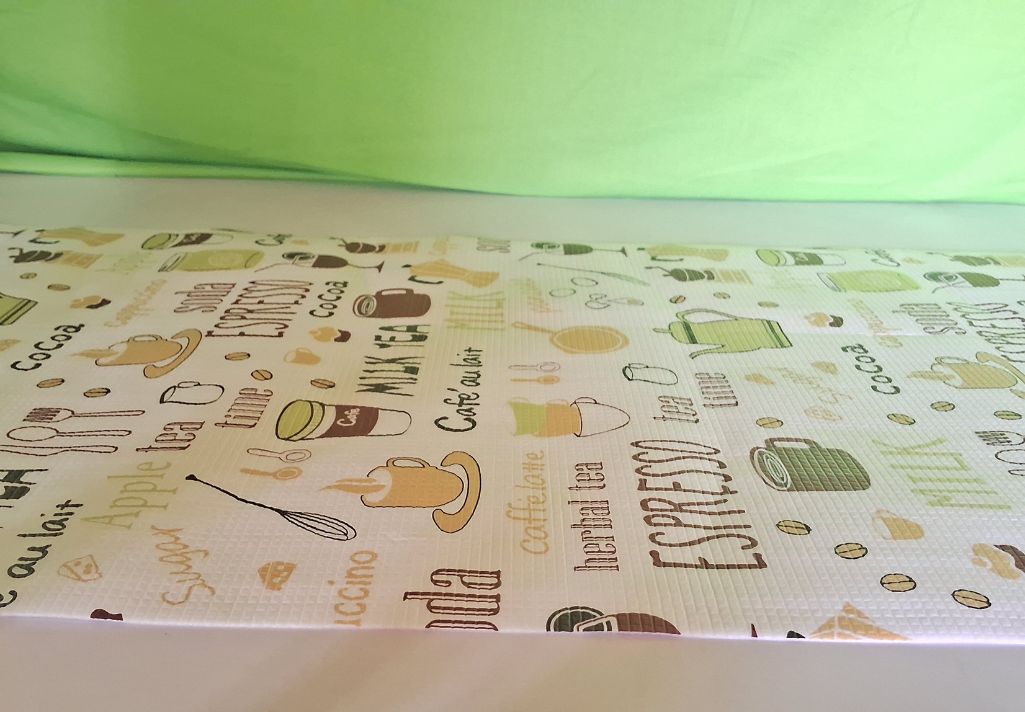
While using shelf liners in the fridge offers numerous benefits, certain mistakes can diminish their effectiveness. One of the most common errors is selecting a material that is not food-safe. Some decorative liners contain chemicals that can leach onto food, posing health risks. Additionally, using adhesive liners can make removal difficult and may leave a sticky residue behind.
Another mistake is covering the entire shelf with a liner that restricts airflow. Refrigerators rely on proper circulation to maintain consistent temperatures, so it is important to choose breathable or perforated liners to prevent condensation buildup. Lastly, neglecting regular cleaning can turn shelf liners into a breeding ground for bacteria. Regular maintenance is key to ensuring they contribute to a cleaner and more organized fridge.
Final Thoughts
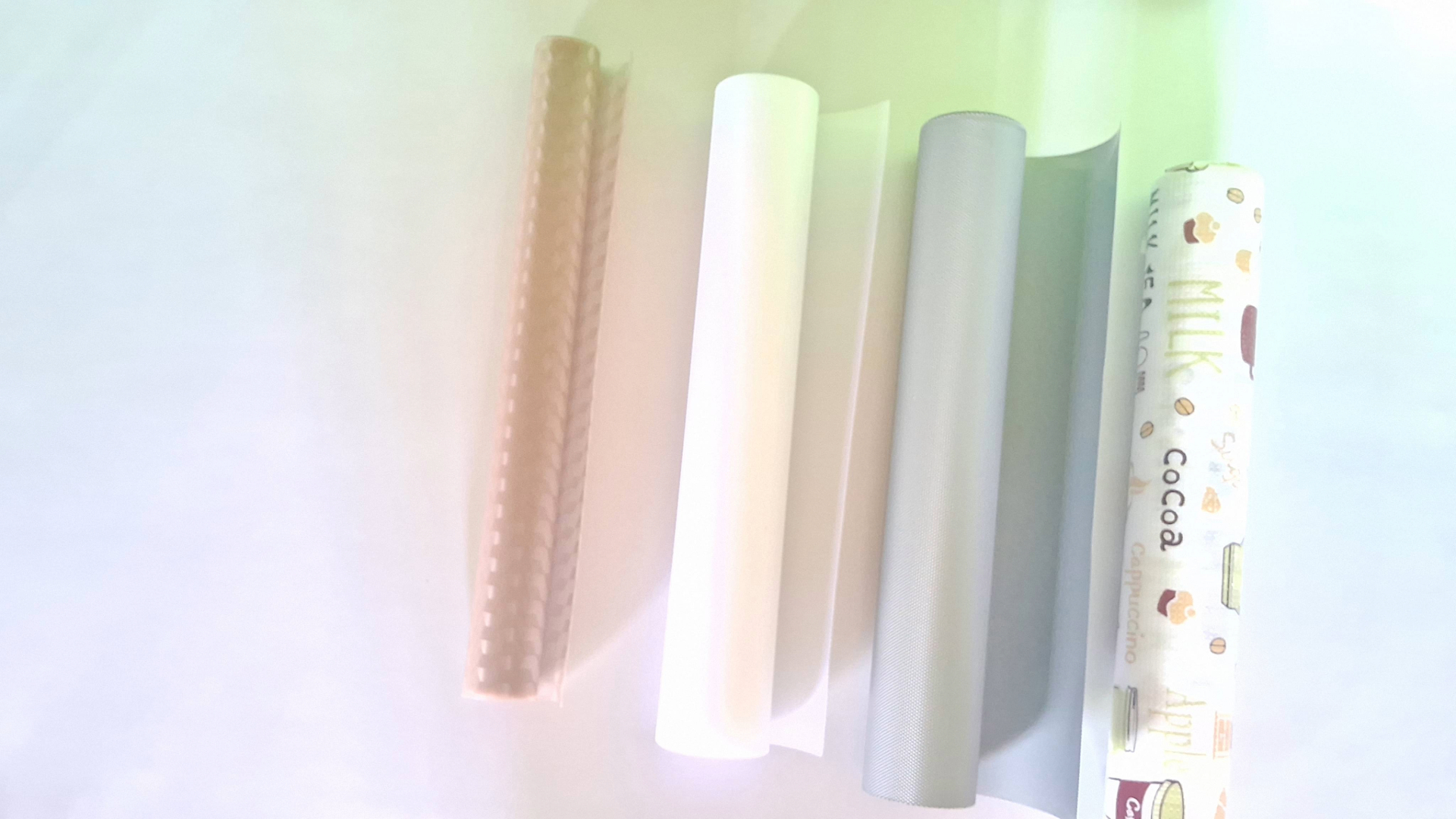
Incorporating shelf liners into your refrigerator setup can provide practical benefits, including easier cleaning, better organization, and surface protection. By selecting food-safe, non-adhesive materials and maintaining them properly, you can extend the lifespan of your fridge shelves while creating a more hygienic storage environment. Avoiding common mistakes such as using non-breathable materials or neglecting maintenance will further enhance their effectiveness. With the right approach, shelf liners can be a valuable addition to your kitchen, simplifying daily upkeep and keeping your fridge in top condition.
Meet Your Guide

Go Soundproof Team
The Go Soundproof Team is a group of soundproofing enthusiasts and product testers dedicated to helping you create quieter, more peaceful spaces. We review and test the latest quiet appliances and noise-reducing solutions to provide honest, expert advice you can trust.