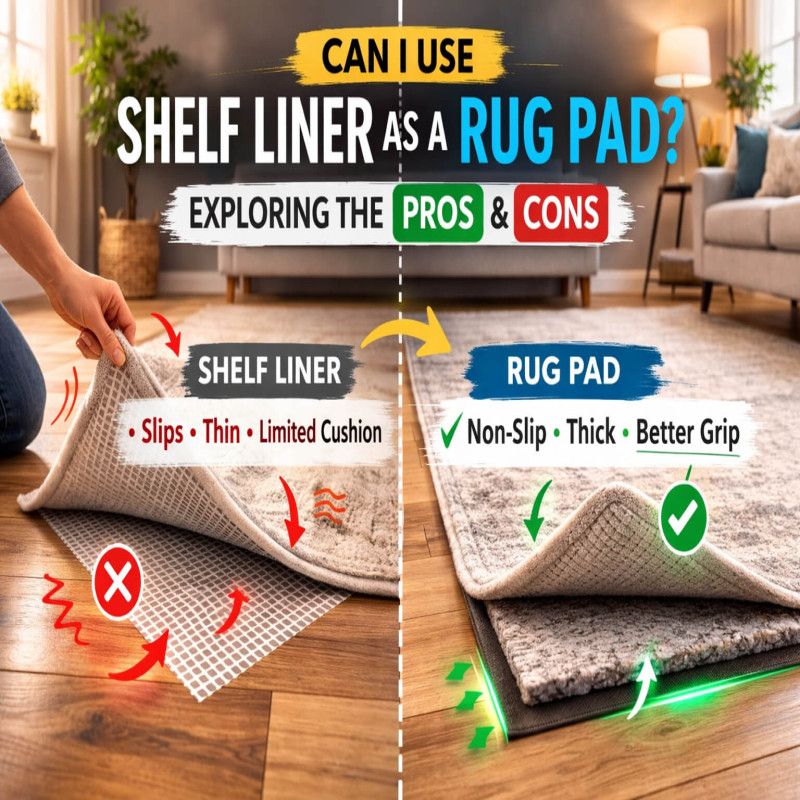
Yes or No? The idea of using a shelf liner as a rug pad might seem convenient, but is it truly effective? Many homeowners seek cost-effective ways to secure their rugs, prevent slipping, and protect their flooring. Since shelf liners share similar gripping properties with rug pads, they may appear to be a viable alternative. However, understanding their actual benefits and limitations is crucial before making a decision.
Key Takeaways
- Shelf liners can provide temporary grip but may lack the cushioning of dedicated rug pads.
- They are cost-effective but might not offer long-term durability.
- Different flooring types react differently to shelf liners, potentially causing damage over time.
- While effective for small rugs, larger rugs require stronger, more supportive options.
Supplies Needed
If you decide to test a shelf liner as a rug pad, you’ll need:
- A non-adhesive shelf liner
- Scissors for trimming
- A measuring tape
- Double-sided carpet tape (optional for extra grip)
Understanding the Purpose of Rug Pads
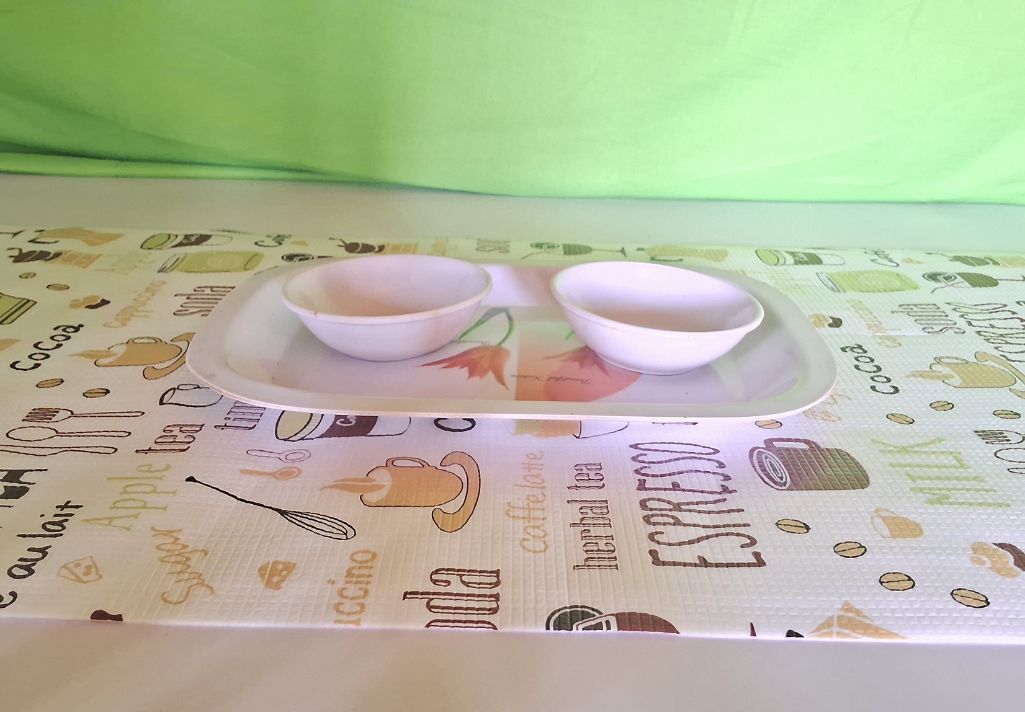
A quality rug pad provides essential benefits such as enhanced comfort, protection for floors, and reduced slipping. Traditional rug pads come in various materials, including felt, rubber, and memory foam, designed to support different rug types and floor surfaces.
By contrast, shelf liners are primarily designed for cabinetry and shelving, with a primary function of preventing objects from sliding rather than cushioning weight or reducing friction against the floor.
The Pros of Using Shelf Liner as a Rug Pad
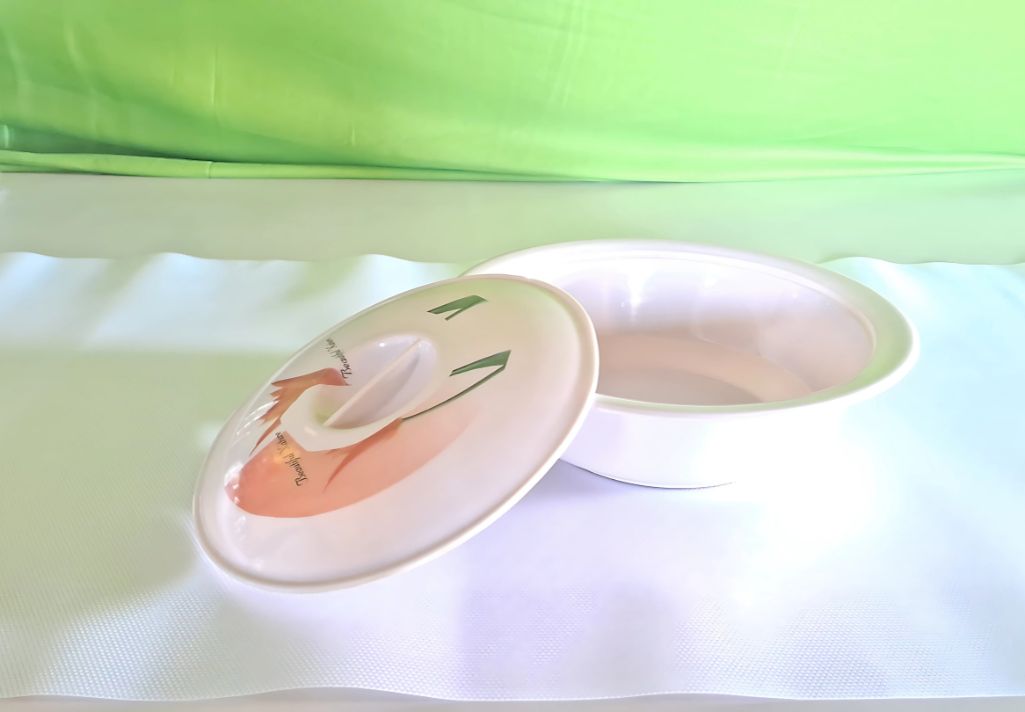
Shelf liners do offer some advantages when used under rugs. Their non-slip properties can prevent movement, making them a potential short-term solution. Additionally, they are more affordable than dedicated rug pads, making them an attractive alternative for those on a budget.
Since they are easy to cut, they can be customized to fit various rug sizes. Furthermore, for small spaces like bathrooms or kitchens where minimal padding is needed, shelf liners may serve the purpose effectively.
The Cons of Using Shelf Liner as a Rug Pad
Despite the potential benefits, there are significant drawbacks to using a shelf liner under a rug. One major concern is the lack of sufficient cushioning, which can lead to discomfort and uneven wear on both the rug and the floor beneath it. Additionally, some shelf liners contain materials that can cause discoloration or damage certain types of flooring, particularly hardwood or laminate. Over time, they may shift out of place or break down, leading to decreased effectiveness. In high-traffic areas, the lack of durability becomes even more noticeable.
How Flooring Type Affects the Use of Shelf Liners
The effectiveness of a shelf liner as a rug pad largely depends on the type of flooring in your home. Hardwood floors require a breathable material to prevent moisture buildup, while tile and laminate may be more forgiving. However, certain shelf liners with rubber backing can leave marks or cause stickiness, which is challenging to clean. Before placing a shelf liner under your rug, it’s essential to check if the material is compatible with your flooring type.
Best Alternatives to Shelf Liners for Rug Padding
If shelf liners do not meet your needs, several alternatives can serve as better solutions. Felt and rubber rug pads provide a combination of grip and cushioning, ensuring longevity and protection for your floors. Memory foam pads offer plush comfort, making them ideal for living rooms and bedrooms. Additionally, DIY solutions like repurposing yoga mats or old carpet remnants can work effectively without the risks associated with shelf liners.
Final Thoughts on Using Shelf Liners as Rug Pads
While shelf liners may seem like a quick and inexpensive fix, they are not the ideal long-term solution for securing rugs. The lack of proper cushioning, potential for floor damage, and limited durability make them less effective compared to dedicated rug pads. If budget constraints are a concern, alternative solutions such as felt-rubber hybrid rug pads or repurposed materials offer a better balance of function and affordability. Ultimately, investing in a high-quality rug pad will provide the best results in terms of safety, comfort, and floor protection.
Meet Your Guide

Go Soundproof Team
The Go Soundproof Team is a group of soundproofing enthusiasts and product testers dedicated to helping you create quieter, more peaceful spaces. We review and test the latest quiet appliances and noise-reducing solutions to provide honest, expert advice you can trust.