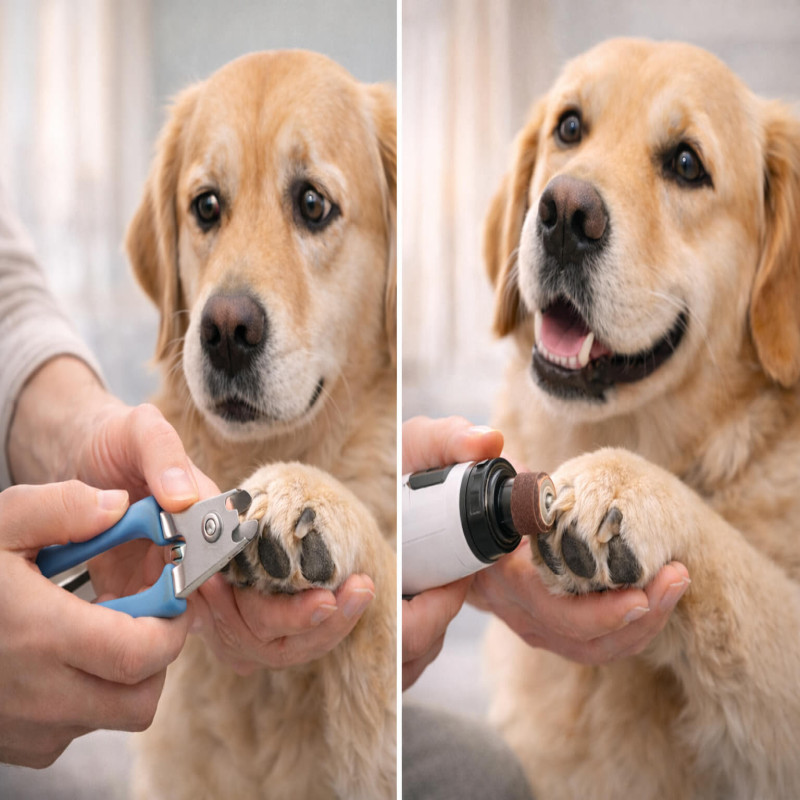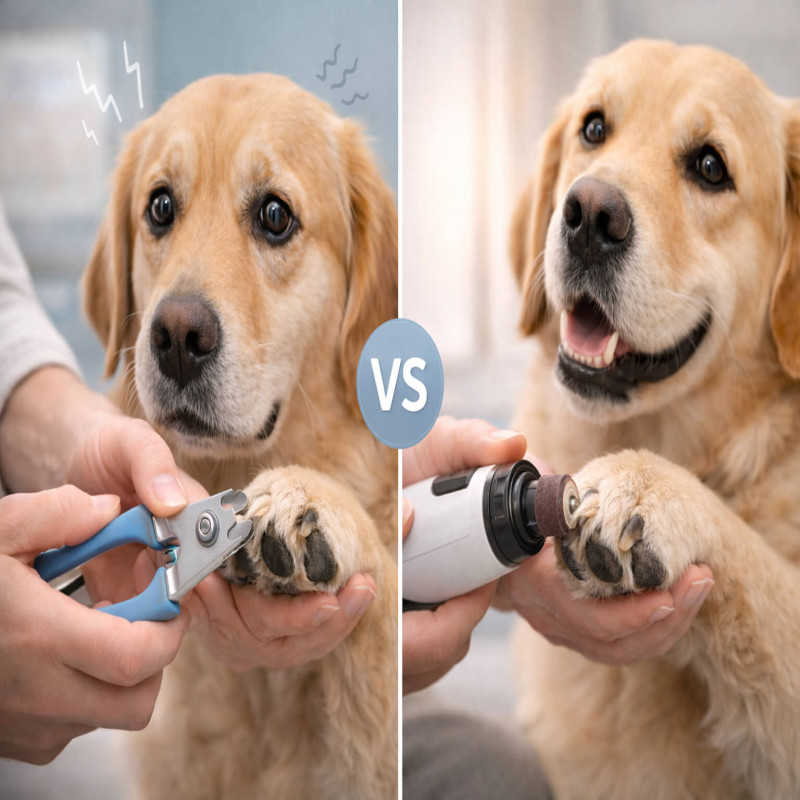
Proper nail care is a crucial part of your dog's overall health. Overgrown nails can cause discomfort and health issues, so keeping them at an appropriate length is essential. This comprehensive guide will walk you through the process of grinding your dog's nails at home in a safe, effective, and stress-free manner.
Tools You'll Need for Nail Grinding
Before beginning, ensure you have the right tools and a comfortable setup for both you and your dog. Here’s what you’ll need:
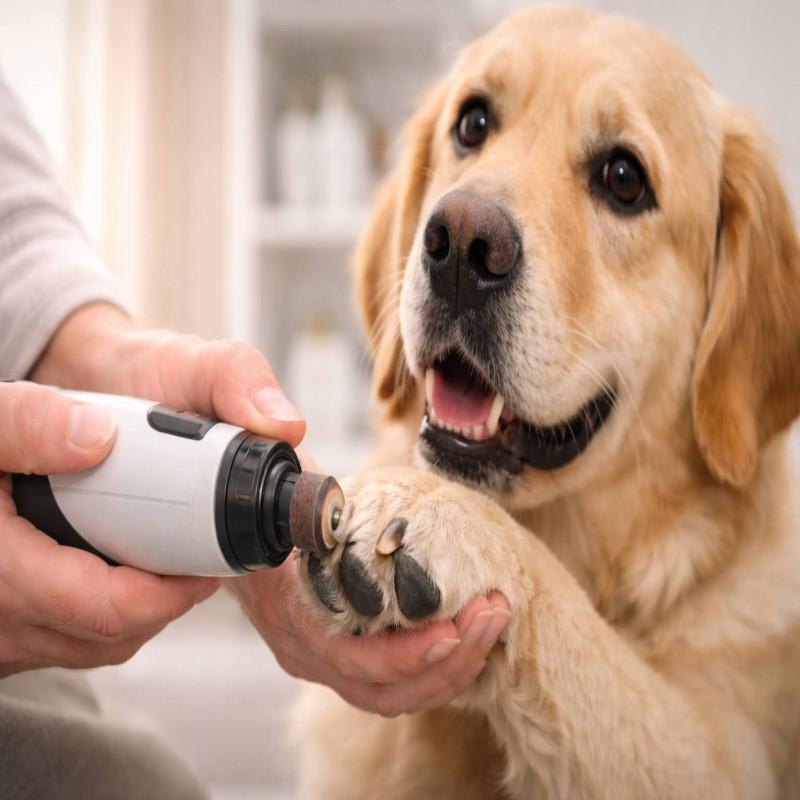
- Nail Grinder: A high-quality, pet-specific nail grinder is essential. Look for one with adjustable speeds and a quiet motor.
- Styptic Powder: Keep this handy in case you accidentally nick the quick, the sensitive area inside the nail.
- Treats: Positive reinforcement is key. Use treats to reward your dog throughout the process.
- Towel or Blanket: Place this under your dog to keep them comfortable and stable.
- Good Lighting: Proper visibility helps you work with precision and avoid mistakes.
Preparing Your Dog for Nail Grinding
Dogs may be apprehensive about having their nails handled. Proper preparation can help ease their anxiety.
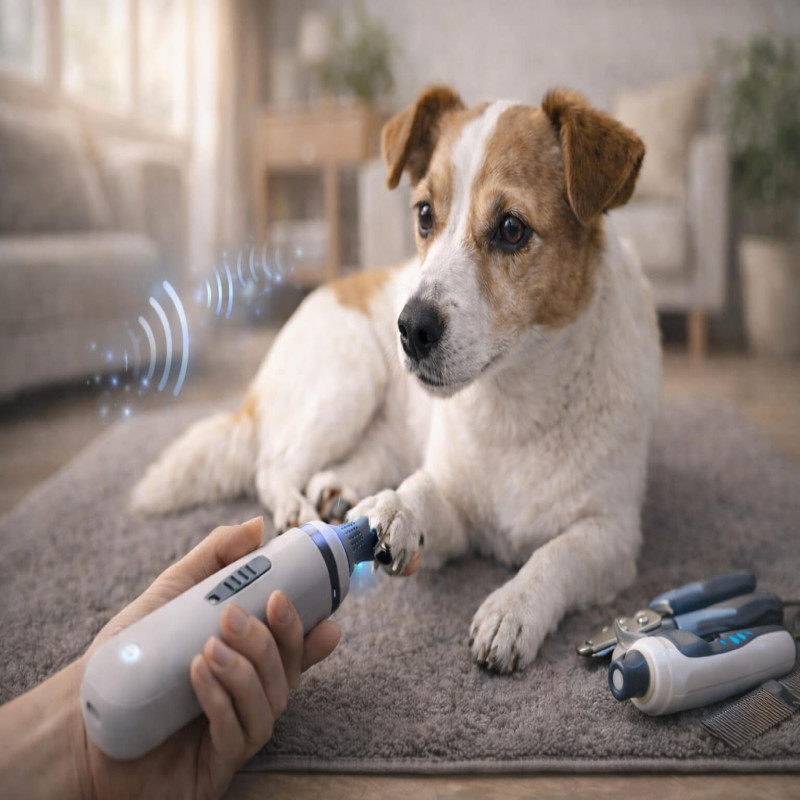
- Familiarize Your Dog with the Grinder: Introduce the nail grinder to your dog before using it. Turn it on so they can get used to the sound and vibration.
- Handle Their Paws Regularly: Get your dog comfortable with having their paws touched. Gently hold and massage their paws daily.
- Start in a Quiet Environment: Reduce distractions by choosing a calm and quiet area for the grinding session.
- Keep Sessions Short: If your dog is new to nail grinding, begin with brief sessions to build their tolerance.
Step-by-Step Guide to Grinding Your Dog's Nails
Follow these steps to safely and effectively grind your dog's nails:
Get Your Dog in Position
Start by positioning your dog in a way that’s comfortable for both of you. Smaller dogs can sit on your lap, while larger dogs can lie on a stable surface.
Inspect the Nails
Examine your dog’s nails to locate the quick. The quick appears as a pink area inside the nail on lighter-colored nails. Avoid grinding too close to this sensitive area.
Start Grinding
- Hold the grinder at a 45-degree angle to the nail.
- Begin with short, gentle passes, grinding a small amount at a time.
- Pause frequently to check your progress and avoid overheating the nail.
Reward Your Dog
Offer treats and praise after grinding each nail. Positive reinforcement helps make the process more enjoyable for your dog.
Smooth the Edges
Once you’ve shortened the nails, use the grinder to smooth any rough edges. This helps prevent snagging and reduces the risk of cracks.
Troubleshooting Common Issues
If you encounter challenges during the nail grinding process, here’s how to address them:
- Dog Resists the Grinder: Use treats and take breaks to keep your dog calm. Gradually increase the duration of each session as they become more comfortable.
- Accidentally Nick the Quick: Apply styptic powder to stop bleeding. This is usually minor and heals quickly.
- Grinder Overheats the Nail: Work in short bursts to avoid heat buildup. Ensure the grinder’s motor is functioning properly.
Tips for Successful Nail Grinding
- Establish a Routine: Regular nail grinding, every 2-4 weeks, helps maintain the right nail length and keeps your dog accustomed to the process.
- Monitor Nail Length: Aim to keep nails short enough that they don’t touch the ground when your dog stands.
- Stay Patient and Calm: Your demeanor affects your dog’s behavior. Stay relaxed to help them feel secure.
- Use High-Quality Tools: Invest in a reliable nail grinder designed specifically for pets. This reduces noise and vibration, making the experience less intimidating for your dog.
By following these steps and tips, you can keep your dog’s nails in excellent condition from the comfort of your home. Regular nail care not only promotes physical health but also strengthens the bond between you and your furry friend.
Meet Your Guide

Go Soundproof Team
The Go Soundproof Team is a group of soundproofing enthusiasts and product testers dedicated to helping you create quieter, more peaceful spaces. We review and test the latest quiet appliances and noise-reducing solutions to provide honest, expert advice you can trust.