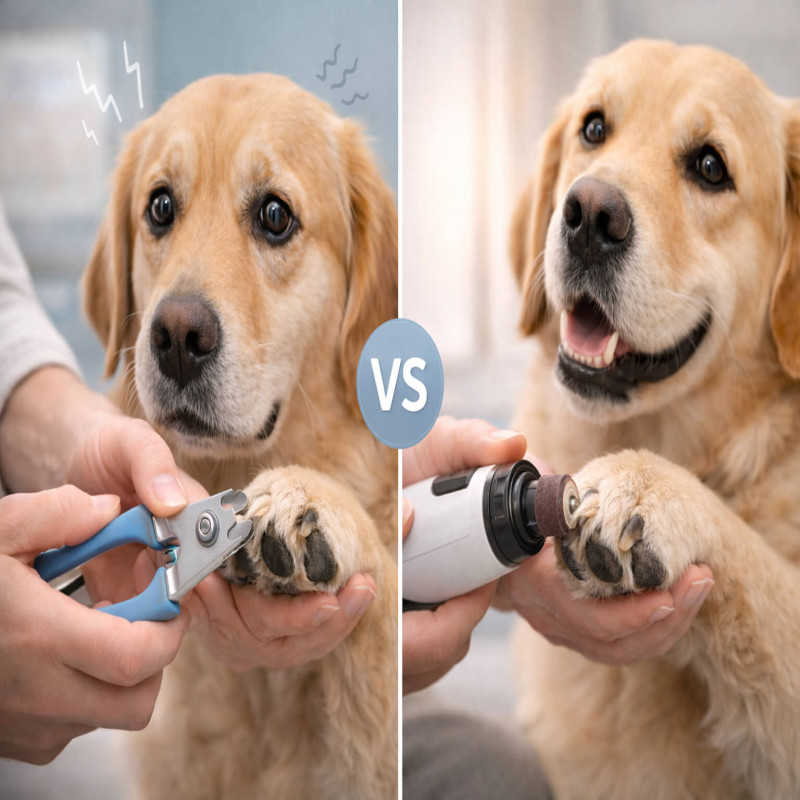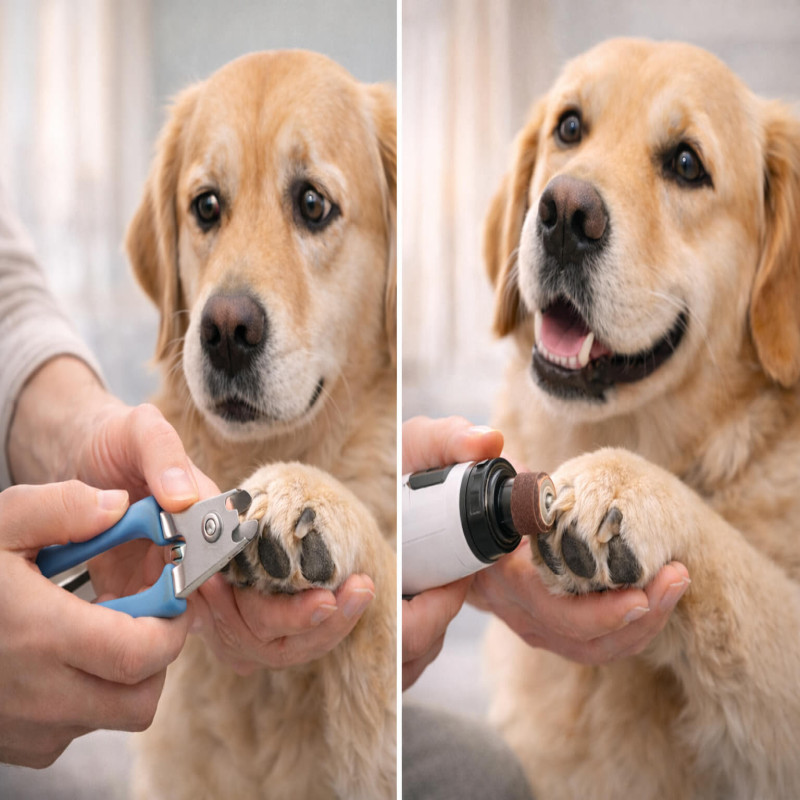
Dog nail care is essential for maintaining your pet’s comfort and health. Overgrown nails can lead to discomfort, pain, or even mobility issues. But when it comes to trimming, the question arises: is it better to grind or clip dog nails? Each method has its benefits and challenges. Let’s break it down to help you decide.
Clipping Dog Nails: The Traditional Approach
Clipping dog nails involves using specialized clippers to cut excess nail length. Here’s what you need to know about this method:
Pros of Clipping
- Quick Process: Clipping is fast, taking only a few seconds per nail.
- Readily Available Tools: Dog nail clippers are affordable and widely available.
- Ease of Use: Many pet owners find clippers straightforward to handle.
Cons of Clipping
- Risk of Cutting the Quick: Accidental nicks can lead to pain and bleeding.
- Stress for Nervous Dogs: The sound and pressure of clipping may frighten some pets.
- Requires Steady Hands: Precision is key to avoid injuring your dog.
Grinding Dog Nails: The Modern Alternative
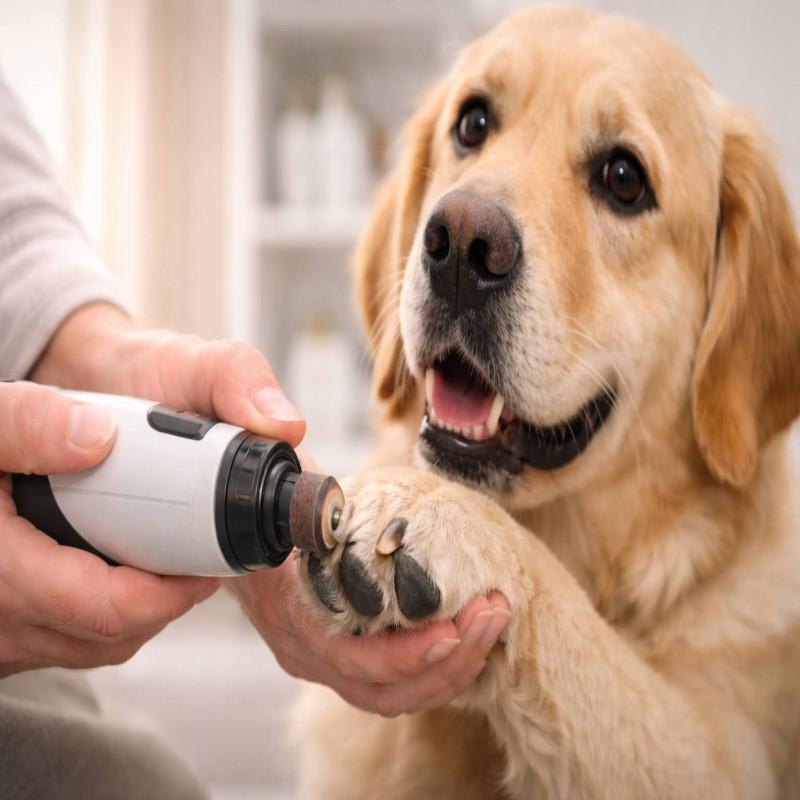
Nail grinding uses a rotary tool to file down a dog’s nails gradually. Here’s how grinding stacks up:
Pros of Grinding
- Smoother Finish: Grinding leaves nails smooth, reducing snagging on carpets or fabric.
- Lower Risk of Injury: Gradual filing minimizes the chance of hitting the quick.
- Ideal for Thick Nails: Grinding works well for dogs with thick or dark nails.
Cons of Grinding
- Time-Consuming: Grinding takes longer than clipping.
- Noise Sensitivity: The buzzing sound may scare some dogs.
- Tool Maintenance: Grinders require regular cleaning and occasional replacement of sanding bands.
How to Choose the Best Method for Your Dog
Your choice between grinding and clipping depends on your dog’s temperament, nail type, and your comfort level with each method. Consider these factors:
Dog Temperament
- Nervous or skittish dogs may respond better to the quieter approach of clipping.
- Dogs that dislike pressure or sudden movements might prefer the gradual process of grinding.
Nail Type
- Clipping suits smaller dogs or those with thin nails.
- Grinding is better for large breeds or dogs with thick, tough nails.
Your Skill Level
- Confident pet owners with steady hands may find clipping easier.
- Grinding is ideal for those who prefer a controlled, step-by-step approach.
Combining Both Methods for Optimal Care
For some dogs, a combination of grinding and clipping can provide the best results. Start by clipping to remove the bulk of the nail length, then use a grinder to smooth the edges. This approach reduces the time spent grinding while achieving a polished finish.
Tips for Stress-Free Nail Trimming
- Familiarize Your Dog: Let your dog sniff and inspect the tools before you start.
- Use Positive Reinforcement: Reward your pet with treats or praise during and after nail care.
- Trim Regularly: Frequent trimming prevents nails from growing too long, reducing stress for both you and your dog.
- Seek Professional Help: If you’re unsure, consult a groomer or veterinarian.
Final Thoughts
Both grinding and clipping dog nails have their merits. Understanding your dog’s needs and practicing proper techniques can make nail care a positive experience. Choose the method that works best for you and your furry friend, and remember—healthy nails contribute to a happy, active pet.
Meet Your Guide

Go Soundproof Team
The Go Soundproof Team is a group of soundproofing enthusiasts and product testers dedicated to helping you create quieter, more peaceful spaces. We review and test the latest quiet appliances and noise-reducing solutions to provide honest, expert advice you can trust.