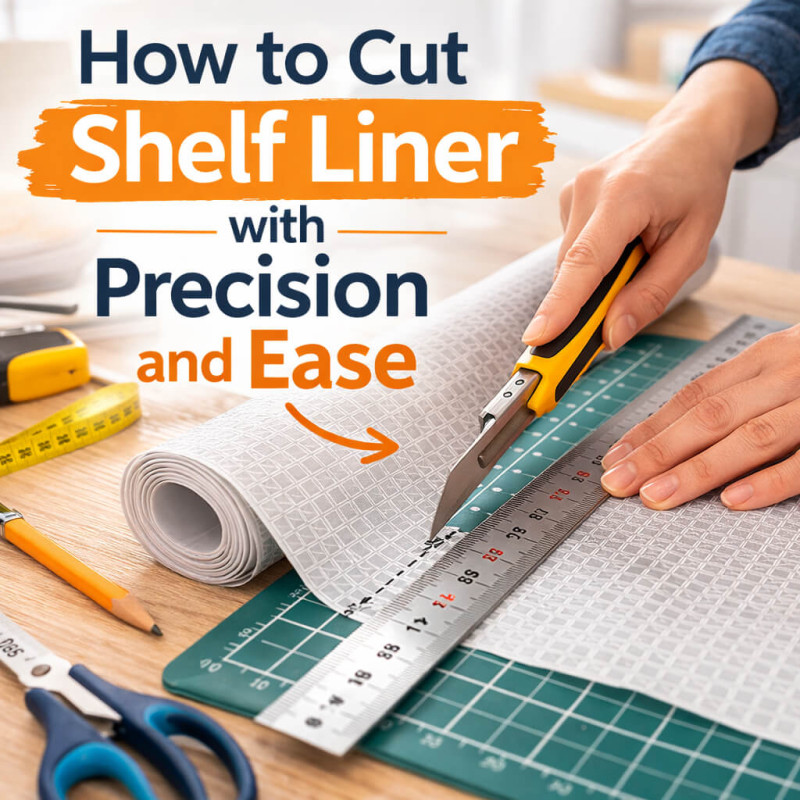
Shelf liners are essential for maintaining the cleanliness and longevity of your shelves. Whether you are organizing a kitchen, bathroom, or closet, properly cutting your shelf liner ensures a polished, custom fit. In this guide, we will explore the best techniques for cutting shelf liners with accuracy, allowing for a smooth and seamless installation.
Key Takeaways
- Properly measuring your shelves is crucial before cutting the liner.
- Using the right tools, such as a sharp utility knife or scissors, improves accuracy.
- A smooth, flat surface makes cutting easier and prevents uneven edges.
- Folding and pre-creasing can help achieve cleaner cuts.
Avoid stretching the liner while cutting to maintain an exact fit.
Supplies Needed
Before you begin cutting your shelf liner, gather the necessary tools to ensure a precise and professional result.
Essential Supplies
- Measuring tape or ruler
- Sharp utility knife or heavy-duty scissors
- Pencil or chalk for marking
- Cutting mat or flat, protective surface
Masking tape (optional for securing the liner)
Measuring and Marking for an Accurate Cut

Achieving a perfect fit starts with precise measurements. Lay the shelf liner flat on a clean surface and use a measuring tape to determine the exact dimensions of your shelf. Mark these dimensions lightly using a pencil or chalk, ensuring that the lines are straight and even. A ruler or straight edge can help maintain accuracy, preventing uneven edges that could lead to improper fitting.
Carefully align the liner with the edges of the shelf before marking to avoid discrepancies. If the shelf has irregular corners or curves, create a template using paper or cardboard before transferring the markings onto the liner. This method ensures a more tailored fit, reducing the risk of gaps or excess material.
Choosing the Best Cutting Tool
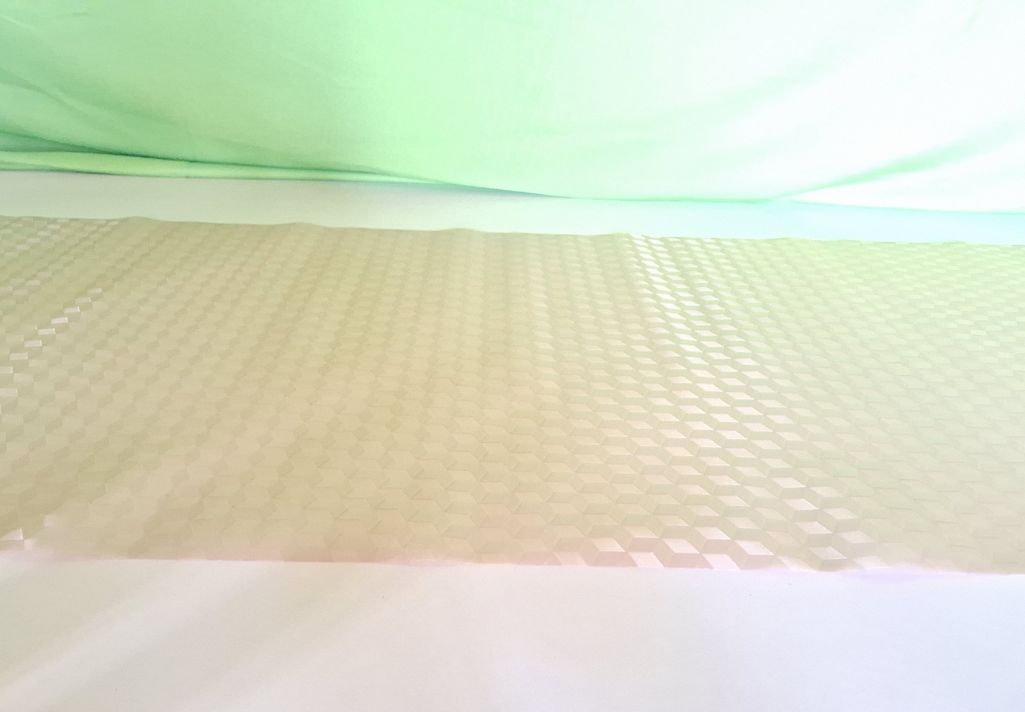
Selecting the right cutting tool is vital for a clean and precise cut. A sharp utility knife provides superior control, allowing you to follow marked lines with accuracy. For thicker liners, heavy-duty scissors may be more suitable, but they must be sharp to prevent frayed or jagged edges.
A self-healing cutting mat placed beneath the liner protects surfaces while stabilizing the material. If using a utility knife, apply steady, even pressure while cutting along a ruler or straight edge. This technique prevents slipping and ensures a professional finish.
Cutting Techniques for Clean Edges
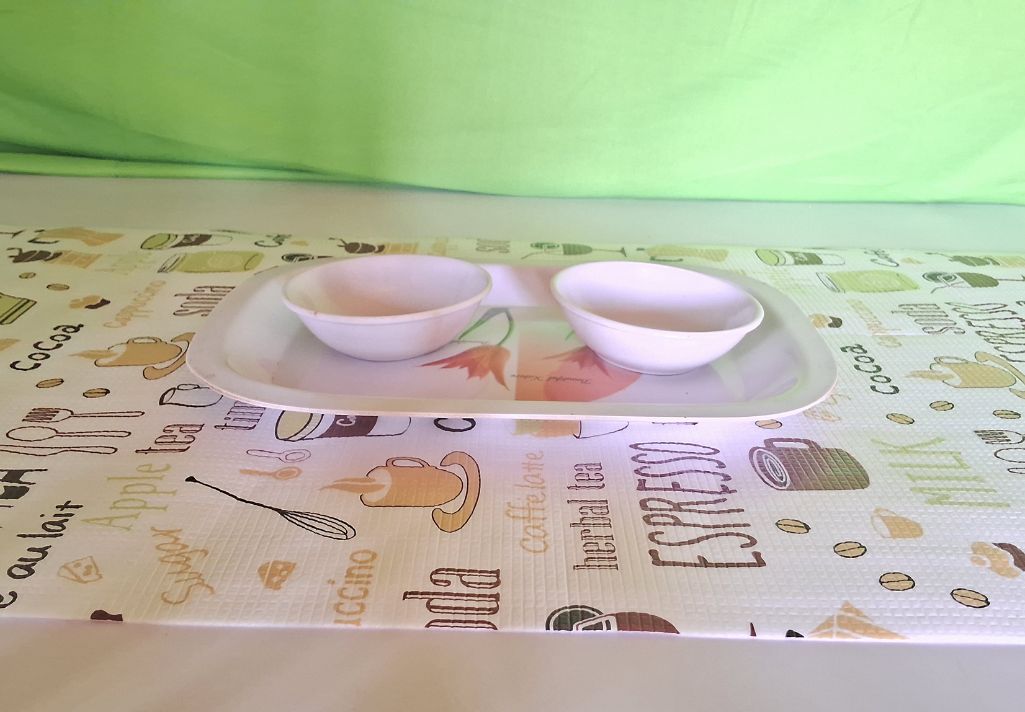
Once the liner is measured and marked, cutting it correctly ensures an exact fit. Position the liner on a flat surface and begin cutting along the drawn lines using slow, steady strokes. Avoid exerting excessive force, as this may cause tearing or uneven edges.
If working with a textured or rubber-backed liner, consider scoring lightly before making a full cut. This pre-cutting technique helps guide the blade, reducing the risk of errors. For intricate shelf designs, cutting small relief notches at corners improves flexibility, allowing the liner to sit flush against the surface.
Adjusting for Irregular Shelf Shapes
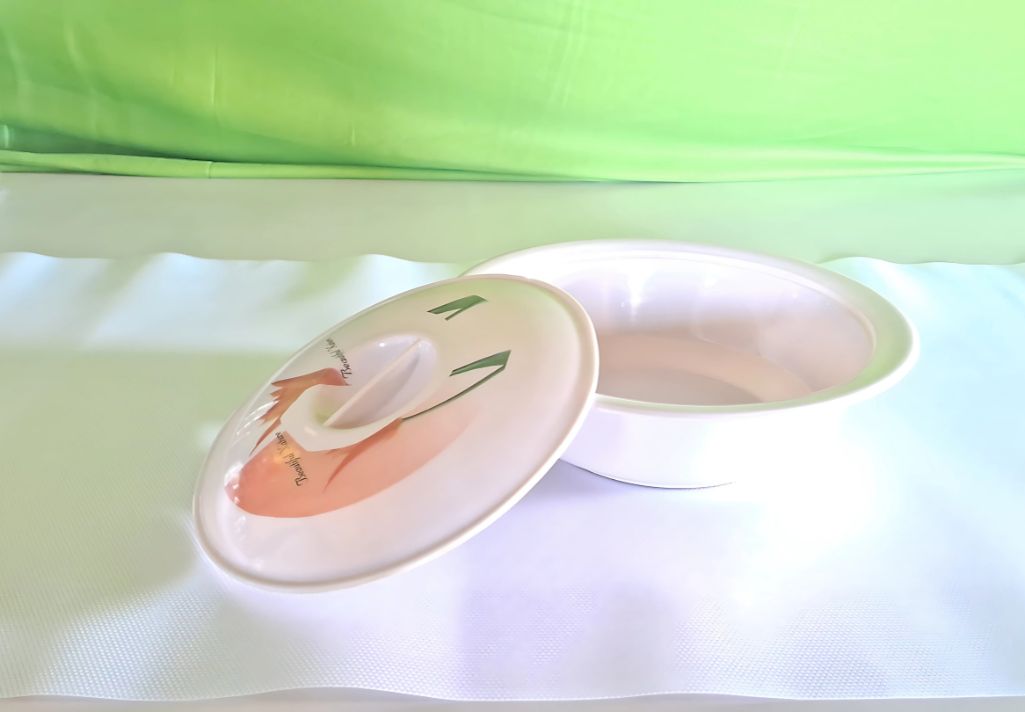
Not all shelves have uniform dimensions, and some may feature curves, corners, or built-in dividers. Adapting your cutting approach ensures a seamless fit even on non-standard shelves.
For rounded edges, trace the shelf shape onto paper and transfer the outline onto the liner. Cut gradually, refining the shape as needed to ensure precision. In cases where shelves have protrusions or brackets, make small incisions and test the fit before finalizing the cuts.
Installing the Shelf Liner Smoothly
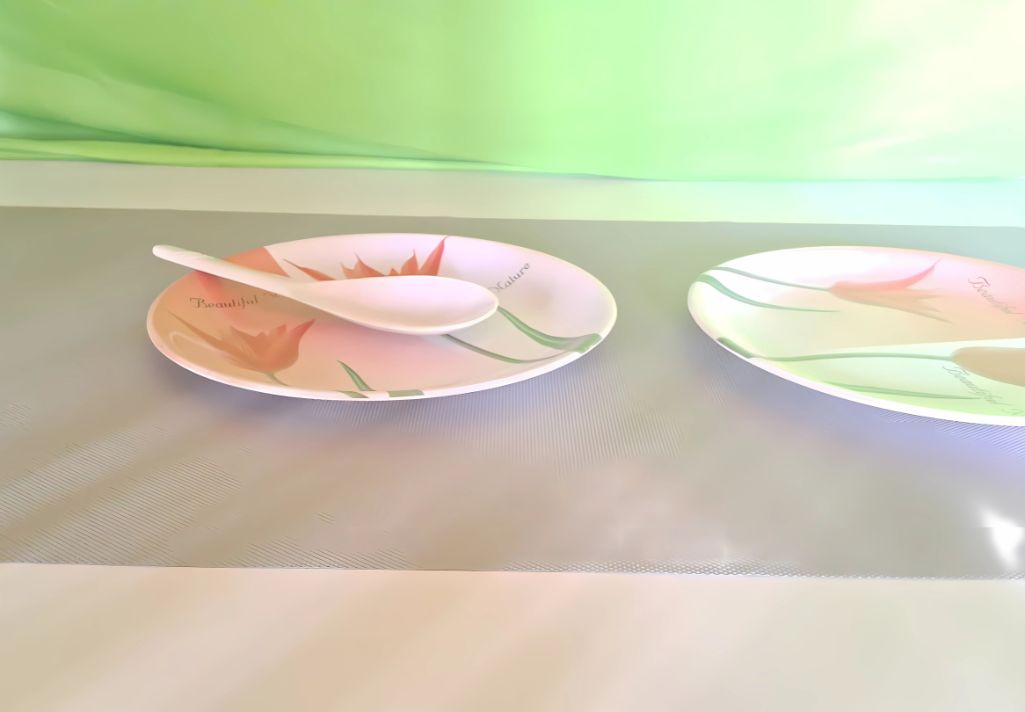
After cutting the liner to size, carefully position it onto the shelf, ensuring alignment with all edges. If using adhesive-backed liners, remove a small section of the backing first and press it down gradually to prevent air bubbles.
For non-adhesive liners, securing them in place with double-sided tape at the corners can prevent shifting over time. Applying slight pressure with your hands or a flat tool smooths out wrinkles, resulting in a neat and professional appearance.
Maintaining and Replacing Shelf Liners
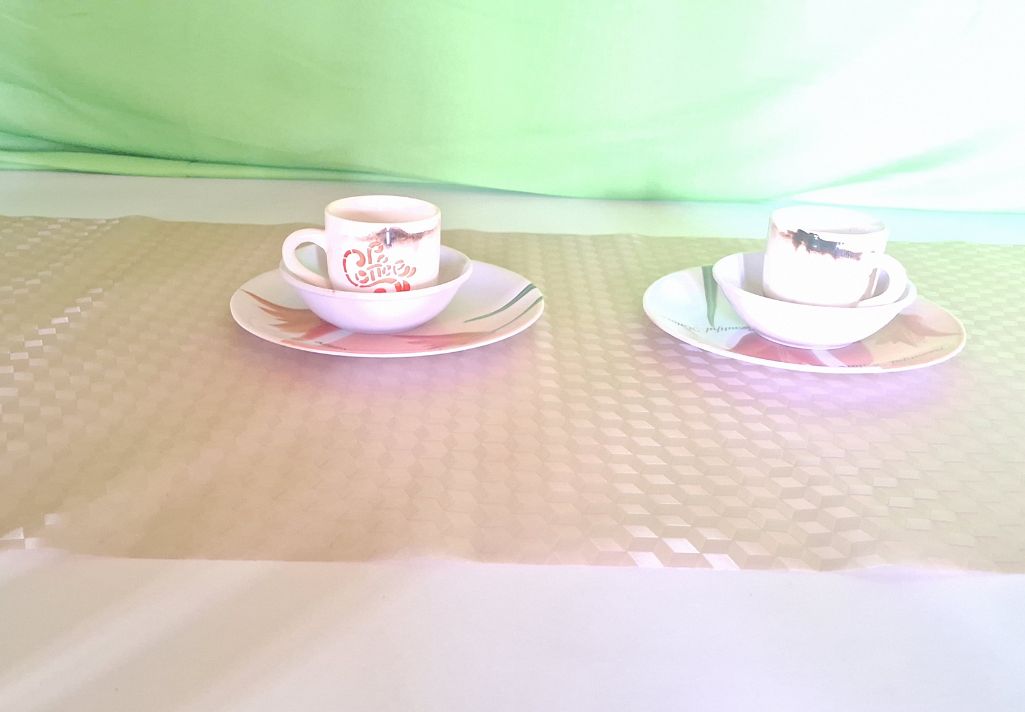
Over time, shelf liners may require cleaning or replacement. Regularly wipe down liners with a damp cloth to remove dust and spills. If using washable liners, occasional rinsing in mild soapy water extends their lifespan.
When replacing a liner, carefully remove the old material, clean the shelf surface, and cut a fresh liner following the same steps outlined in this guide. Investing time in proper cutting and installation ensures a long-lasting, well-organized shelving space.
Meet Your Guide

Go Soundproof Team
The Go Soundproof Team is a group of soundproofing enthusiasts and product testers dedicated to helping you create quieter, more peaceful spaces. We review and test the latest quiet appliances and noise-reducing solutions to provide honest, expert advice you can trust.