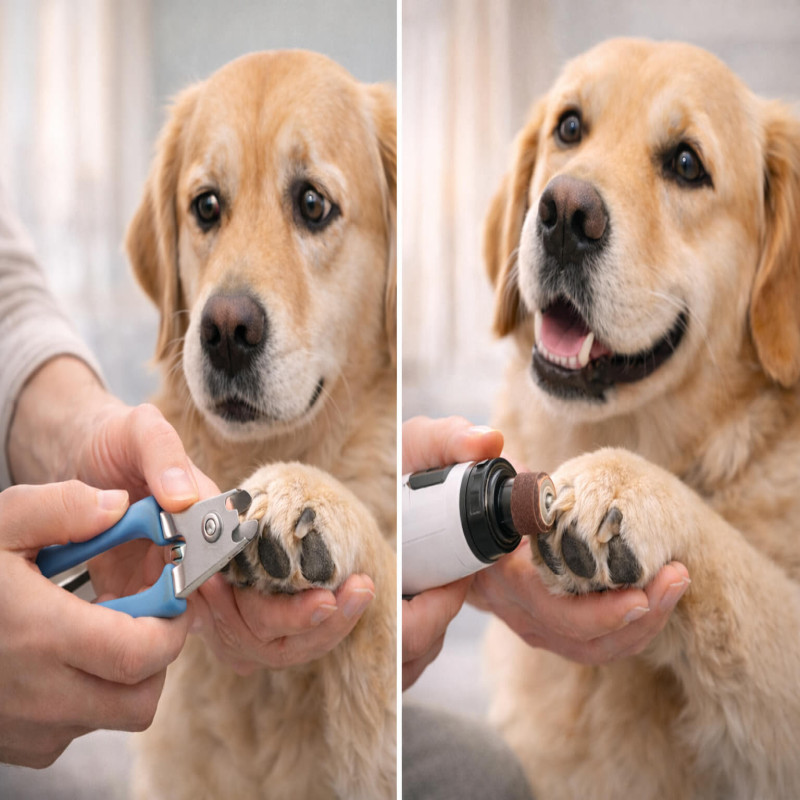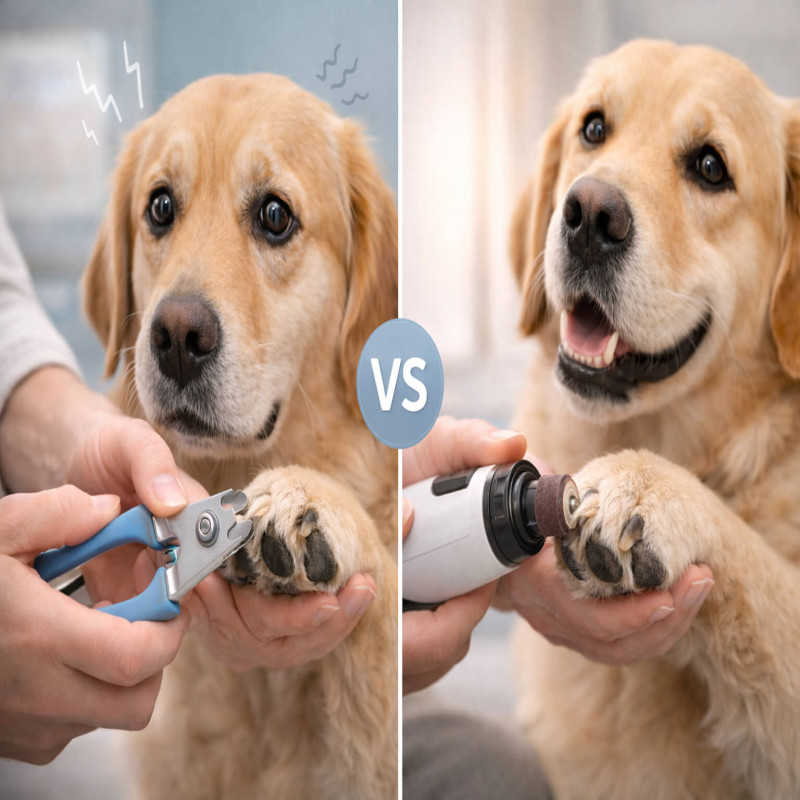
Caring for your dog's nails is an essential part of pet grooming. Overgrown nails can lead to discomfort, posture issues, and even injury. While nail clipping has been the traditional method, many pet owners now prefer grinding. But does grinding a dog’s nails hurt them? Let’s explore this topic in depth to ensure your furry friend’s comfort and well-being.
What Is Nail Grinding?
Nail grinding involves using a rotary tool or grinder to gently file down a dog’s nails. Unlike clipping, grinding doesn’t risk splitting or cracking the nail, making it a preferred choice for dogs with thick or dark nails where the quick (the sensitive part inside the nail) is hard to see. It’s a precise method that provides a smoother finish.
Is Nail Grinding Painful for Dogs?
When done correctly, grinding a dog’s nails should not hurt them. The key factors include:
- Proper Technique: Using smooth and controlled motions ensures that the process is painless. Avoid grinding too close to the quick.
- Appropriate Tools: A high-quality grinder with adjustable speed settings is essential to minimize vibration and heat, which can be uncomfortable for dogs.
- Patience and Training: Introducing your dog to the grinder gradually helps them feel at ease. Rewards and positive reinforcement make the experience less stressful.
Benefits of Nail Grinding
Grinding offers several advantages over traditional clipping:
- Precision: Allows for gradual nail reduction, reducing the risk of cutting into the quick.
- Smooth Finish: Leaves nails smoother, preventing snagging on carpets or furniture.
- Comfort for Dogs: Ideal for pets with anxiety around clipping or those with thick nails.
Common Concerns About Nail Grinding
Heat Build-Up
Grinding generates friction, which can cause heat if held on one spot for too long. To prevent discomfort:
- Use short bursts of grinding.
- Move the grinder constantly to avoid overheating.
Noise Sensitivity
Some dogs may be startled by the sound of the grinder. Opt for quiet models designed for pet grooming and allow your dog to become familiar with the tool before use.
Fear or Anxiety
Dogs unfamiliar with the grinding process may initially resist. Gradual exposure, combined with treats and soothing words, can help them adjust.
How to Grind Your Dog’s Nails Safely
To ensure a comfortable experience for your dog, follow these steps:
- Prepare Your Dog: Ensure they are calm and relaxed. Use treats and praise to create a positive association with nail grinding.
- Choose the Right Tools: Select a pet-friendly grinder with a safety guard and variable speeds.
- Inspect the Nails: Identify the quick to avoid grinding too close. For dark nails, proceed cautiously and stop when the center of the nail appears chalky.
- Grind in Intervals: Work in short bursts, pausing frequently to prevent heat build-up.
- Check for Discomfort: Watch for signs of stress or pain, such as pulling away or whimpering. Adjust your technique as needed.
Signs Your Dog’s Nails Need Trimming
Keeping an eye on your dog’s nails ensures they remain comfortable and healthy. Signs include:
- Clicking sounds when walking on hard floors.
- Nails curling under or growing sideways.
- Difficulty walking or changes in posture.
Alternatives to Nail Grinding
If grinding doesn’t suit your dog, consider these options:
- Nail Clipping: Traditional method, suitable for dogs comfortable with scissors.
- Professional Grooming: Ideal for dogs with extreme anxiety or challenging nails.
- Outdoor Activities: Regular walks on rough surfaces can naturally file down nails over time.
Conclusion
When done properly, grinding a dog’s nails is a safe and effective grooming method. Understanding your pet’s needs and using the right techniques and tools can make nail care a stress-free experience. Regular grooming keeps your dog’s nails at a healthy length and strengthens the bond between you and your furry companion.
Meet Your Guide

Go Soundproof Team
The Go Soundproof Team is a group of soundproofing enthusiasts and product testers dedicated to helping you create quieter, more peaceful spaces. We review and test the latest quiet appliances and noise-reducing solutions to provide honest, expert advice you can trust.