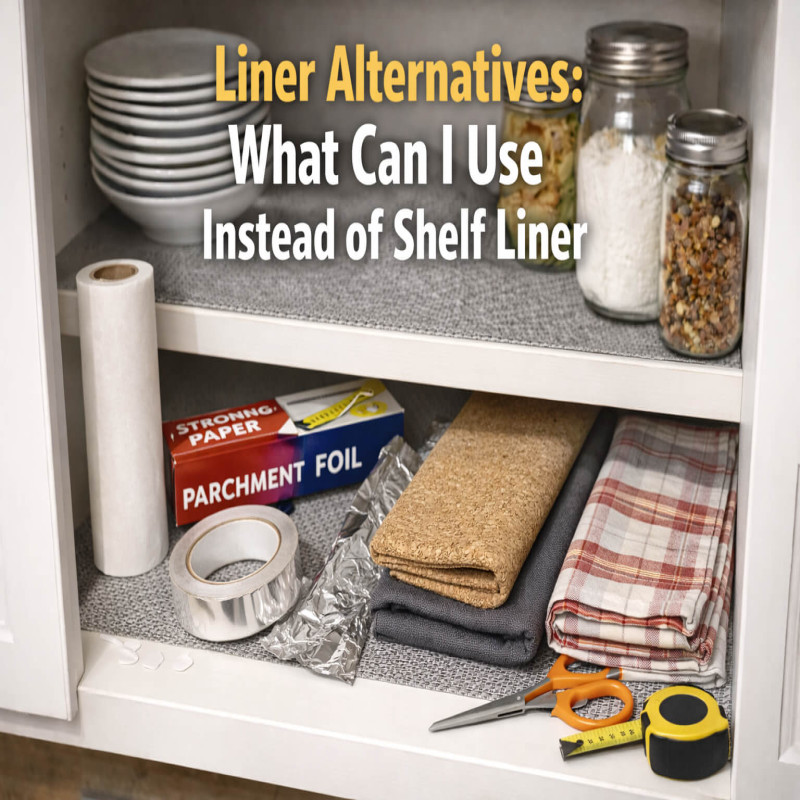
Shelf liners have long been a popular solution for protecting cabinets and drawers from spills, stains, and scratches. However, many homeowners seek alternatives that offer better durability, aesthetics, and ease of maintenance. From repurposing everyday household materials to using advanced fabric and waterproof options, several substitutes provide both functionality and appeal. This article explores these effective alternatives to traditional shelf liners, ensuring that your storage spaces remain clean, stylish, and well-maintained.
Key Takeaways
- Alternative materials can provide durability, cost-effectiveness, and aesthetic appeal.
- Some substitutes offer additional benefits, such as moisture resistance and ease of cleaning.
- Choosing the right alternative depends on individual needs, preferences, and budget constraints.
Contact Paper: A Stylish and Versatile Choice
Contact paper is an excellent alternative for those seeking a decorative and durable solution for shelving. Available in various patterns and textures, it offers an aesthetic upgrade while protecting against spills and scratches. The adhesive backing ensures a secure grip on surfaces, making it a long-lasting option.
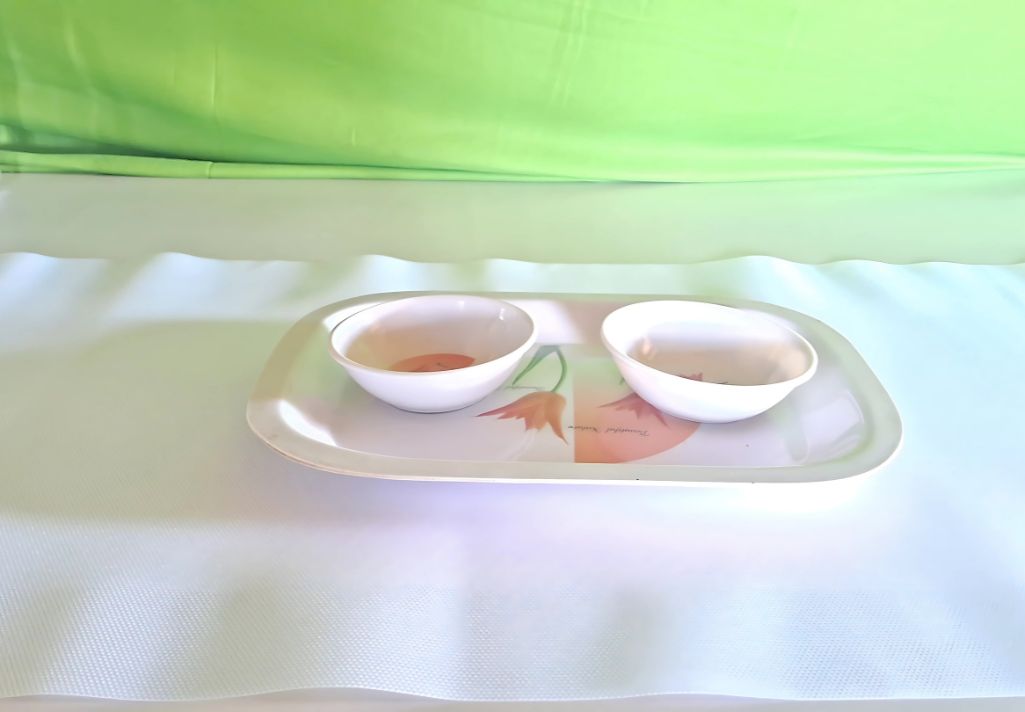
Unlike traditional liners, contact paper is water-resistant, making it ideal for kitchens and bathrooms where moisture is prevalent. It is also easy to clean with a damp cloth, maintaining a fresh look over time. While removal may require careful peeling to avoid residue, it remains a practical and visually appealing choice for shelving needs.
Wax Paper: A Budget-Friendly, Disposable Solution
For a temporary and cost-effective alternative, wax paper serves as a convenient liner replacement. It provides a non-stick surface that prevents spills and crumbs from adhering to shelves. Wax paper is particularly useful in kitchen pantries where food items frequently come into contact with storage surfaces. Since it is disposable, replacing it regularly ensures cleanliness and hygiene. This option works well for those seeking an easy-to-maintain and affordable solution, especially in areas where frequent liner changes are necessary.
Vinyl Sheets: A Waterproof and Durable Option
Vinyl sheets provide a highly durable and water-resistant alternative to traditional shelf liners. Unlike paper-based liners, vinyl sheets repel moisture and prevent mold or mildew buildup, making them suitable for humid environments. Their flexibility allows them to conform to various shelf shapes, ensuring a snug fit. Vinyl is also easy to clean, requiring only a simple wipe-down to maintain hygiene. Its long lifespan makes it a cost-effective choice for those looking for a robust and functional liner alternative.
Fabric Inserts: Soft and Elegant Shelf Protection
Fabric inserts offer a soft, decorative, and customizable alternative to conventional liners. Cotton, felt, or linen fabrics can be cut to fit shelves precisely, providing a cozy and elegant touch to storage spaces. These materials help prevent scratches on delicate dishware and glassware, making them ideal for kitchen and dining cabinets. While they may require periodic washing to maintain cleanliness, fabric inserts are a sustainable and reusable option for those seeking an eco-friendly liner substitute.
Cork Sheets: A Natural and Eco-Friendly Substitute
Cork sheets present an environmentally friendly and practical alternative to traditional liners. They offer a cushioned surface that protects fragile items while absorbing minor shocks. As a natural material, cork resists mold and mildew, making it a hygienic choice for kitchen and bathroom storage. Its non-slip texture helps keep items in place, preventing unnecessary movement within cabinets. Although cork sheets may require occasional sealing to enhance water resistance, they remain a sustainable and visually appealing option for shelf protection.
Silicone Mats: A Non-Slip, Easy-to-Clean Solution
Silicone mats provide an efficient alternative to shelf liners, particularly in areas requiring frequent cleaning. Their non-slip properties keep items stable, preventing movement and spills. Silicone mats are heat-resistant and waterproof, making them ideal for kitchen use. They are also easy to clean—simply rinsing them under running water or wiping with a damp cloth restores their cleanliness. While slightly more expensive than other options, their durability and practicality make them a worthwhile investment.
Newspaper or Magazine Pages: A Disposable and Readily Available Alternative
For those seeking a quick and disposable liner substitute, newspapers and magazine pages offer an easily accessible option. They create a protective barrier against dust and dirt while adding a vintage aesthetic to shelving spaces. This alternative works well for short-term use, such as lining temporary storage spaces or seasonal pantry arrangements. Although not as durable as other materials, replacing newspaper or magazine pages is effortless and cost-effective.
Felt Pads: Cushioning and Noise Reduction Benefits
Felt pads offer a unique liner alternative by providing cushioning and noise reduction benefits. They prevent delicate items from clinking against hard surfaces, reducing the risk of damage. Felt pads are particularly useful in cabinets storing glassware, ceramics, or cookware. They also offer a non-slip surface, keeping items in place without adhesive backing. While periodic cleaning is necessary to prevent dust accumulation, felt pads remain a functional and protective option.
Linoleum Scraps: A Heavy-Duty and Long-Lasting Solution
Linoleum scraps serve as a highly durable and resilient liner substitute. Originally designed for flooring, linoleum provides excellent resistance against moisture, stains, and scratches. It is particularly beneficial for heavy-duty storage areas, such as garage shelves or workshop cabinets. While linoleum requires precise cutting for a custom fit, its longevity and low maintenance needs make it a practical investment. This option is ideal for those seeking an industrial-strength liner substitute that withstands wear and tear over time.
Conclusion
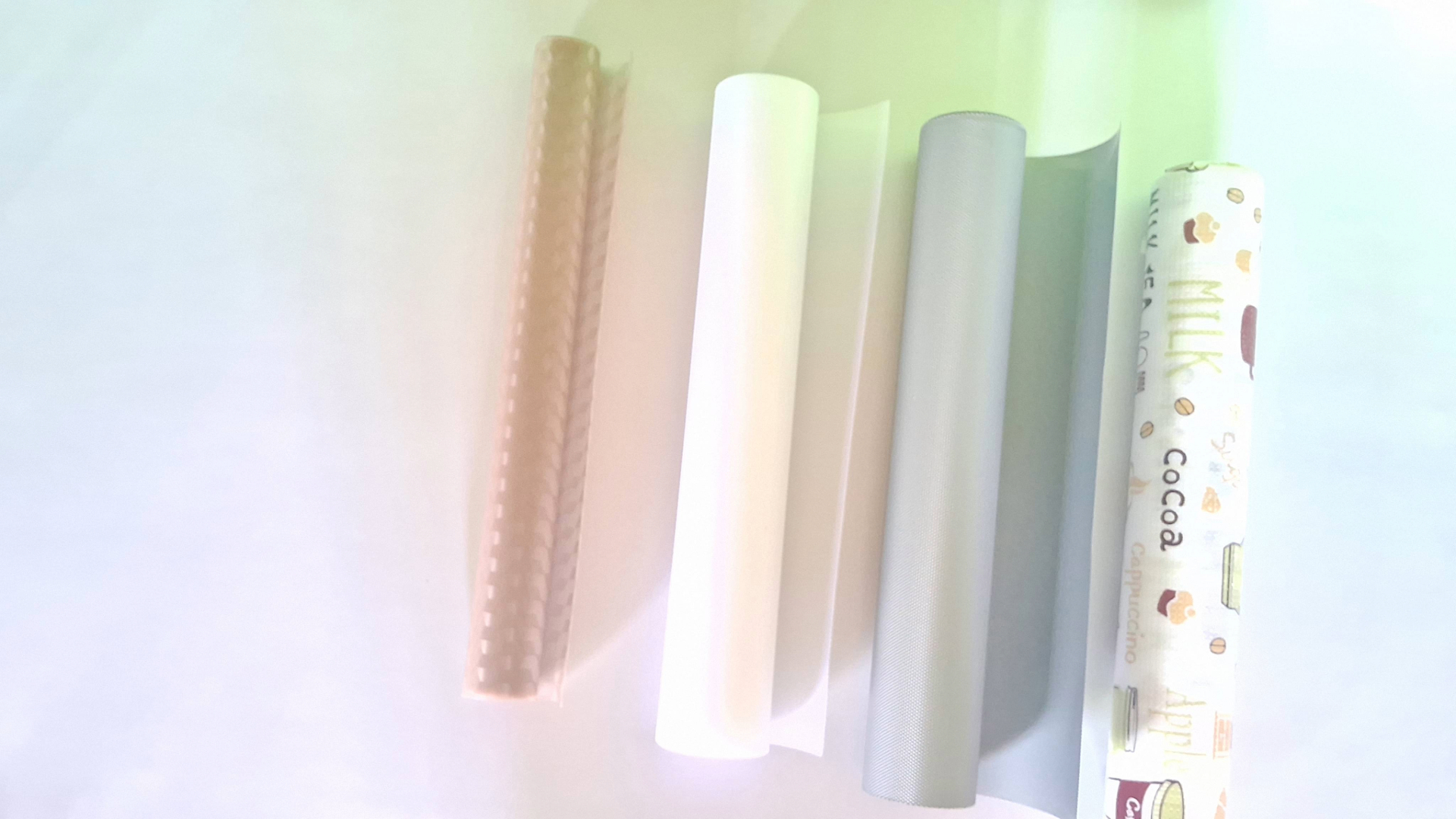
Exploring alternatives to traditional shelf liners reveals a diverse range of options that cater to different needs and preferences. Whether opting for stylish contact paper, eco-friendly cork sheets, or practical silicone mats, selecting the right substitute ensures optimal protection and functionality. Each alternative presents unique benefits, allowing homeowners to choose solutions that align with their lifestyle, budget, and storage requirements.
Meet Your Guide

Go Soundproof Team
The Go Soundproof Team is a group of soundproofing enthusiasts and product testers dedicated to helping you create quieter, more peaceful spaces. We review and test the latest quiet appliances and noise-reducing solutions to provide honest, expert advice you can trust.