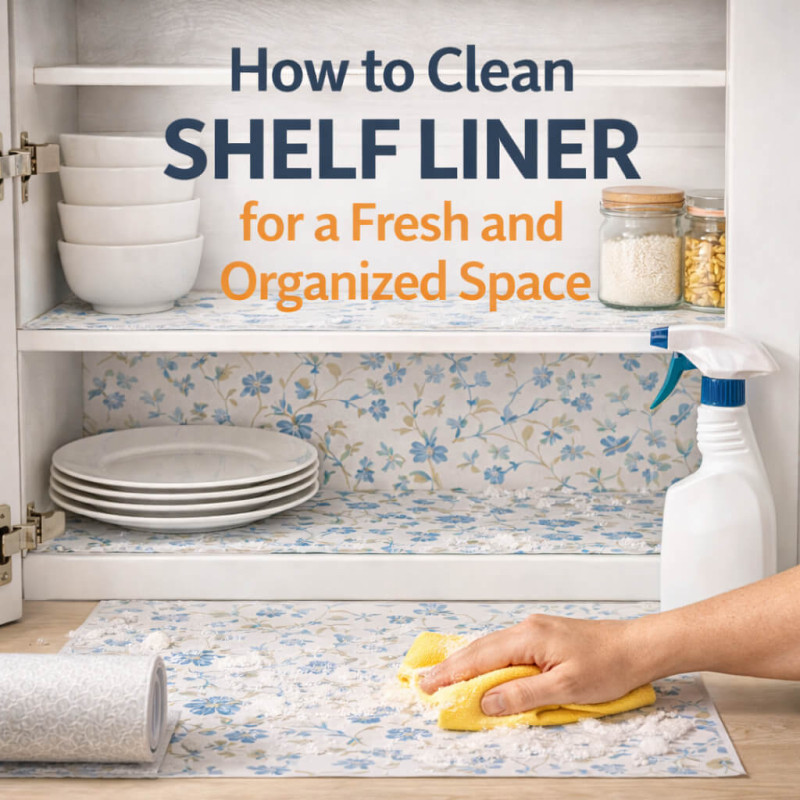
Shelf liners are an essential component of an organized kitchen, pantry, or storage space. They protect shelves from spills, stains, and wear while adding a layer of cleanliness. Over time, however, dust, grime, and spills accumulate, necessitating proper cleaning. In this guide, we will explore practical methods to clean different types of shelf liners effectively. Keeping them clean not only enhances their durability but also ensures a healthier storage environment.
Key Takeaways
- Cleaning shelf liners regularly prevents mold, bacteria buildup, and unpleasant odors.
- Different materials, such as vinyl, rubber, and fabric liners, require distinct cleaning methods.
- Natural and chemical cleaning solutions can both be effective based on the liner type.
- A well-maintained liner contributes to a more organized and sanitary home.
Supplies Needed
Before cleaning, gather the following supplies to ensure an efficient process:
- Mild dish soap or vinegar
- Warm water
- Microfiber cloth or sponge
- Soft-bristle brush
- Baking soda (for deep cleaning)
- Hydrogen peroxide (for stubborn stains)
- A dry towel or paper towels
- Spray bottle (for diluted solutions)
Removing and Preparing the Liner for Cleaning
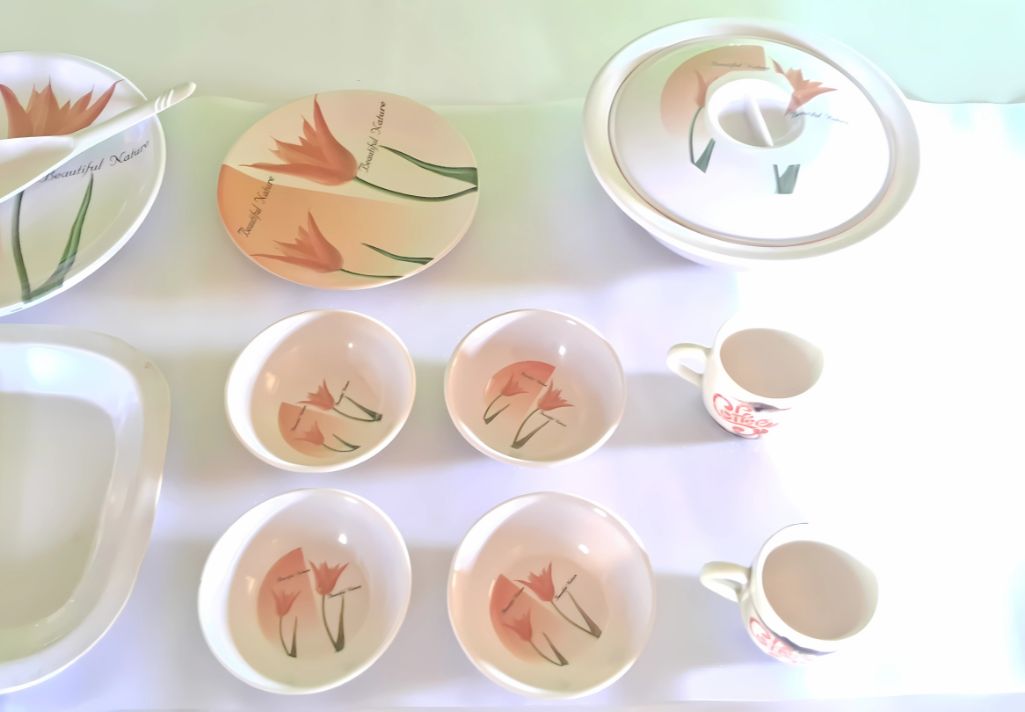
Begin by carefully removing the shelf liner from its place. If it is adhesive-backed, peel it off gently to avoid damaging the surface beneath. For reusable or non-adhesive liners, simply lift them from the shelf. Shake off any loose debris or crumbs before proceeding with cleaning. This step helps to prevent excess dirt from spreading during the washing process.
Cleaning Vinyl and Plastic Shelf Liners
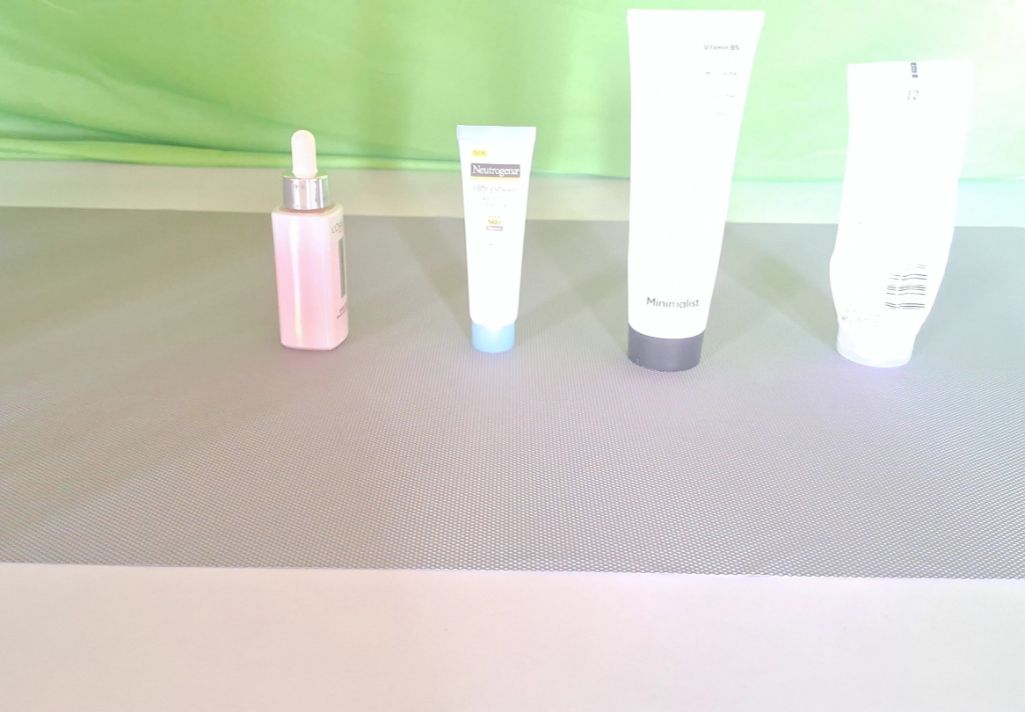
Vinyl and plastic shelf liners are among the easiest to clean due to their waterproof nature. Start by preparing a mixture of warm water and mild dish soap. Using a sponge or microfiber cloth, wipe the liner gently to remove any dirt or residue. For tougher stains, sprinkle a small amount of baking soda onto the surface and scrub lightly with a soft-bristle brush. Rinse the liner with clean water and allow it to air dry before reinstalling.
Cleaning Fabric and Padded Shelf Liners
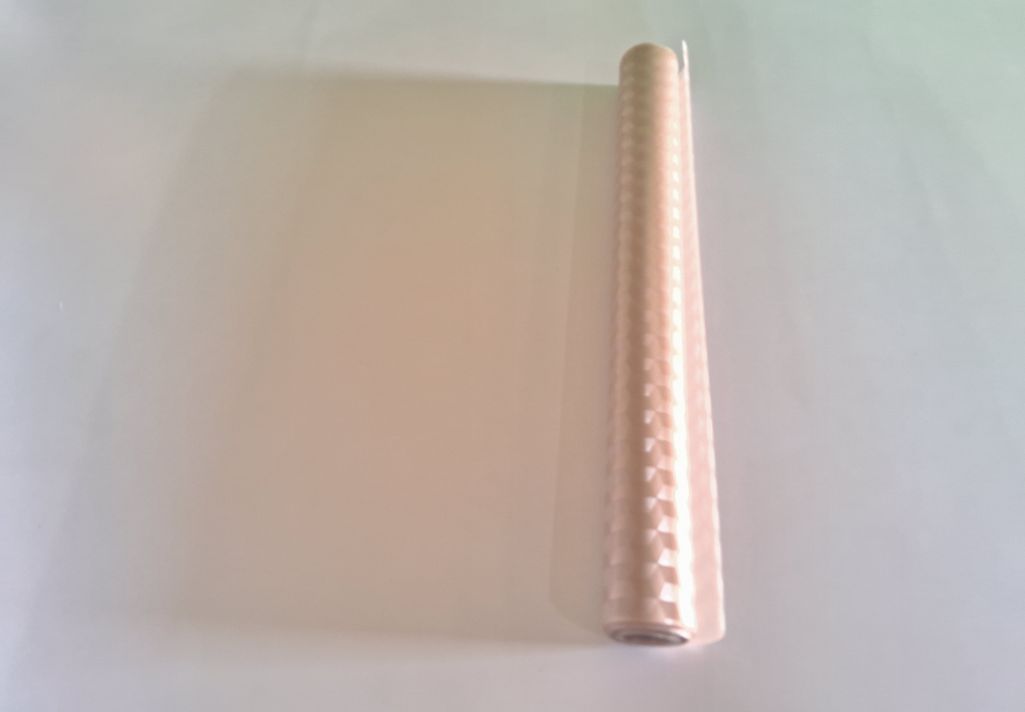
Fabric and padded liners require a more delicate cleaning approach. If the liner is machine washable, place it in a gentle cycle with mild detergent. For hand washing, soak the liner in a solution of warm water and white vinegar for approximately 15 minutes. Gently scrub any stained areas with a soft cloth, then rinse thoroughly. Air drying is recommended to preserve the liner’s integrity.
Tackling Stubborn Stains and Odors
For persistent stains or lingering odors, hydrogen peroxide can be a powerful cleaning agent. Apply a small amount directly to the affected area and let it sit for a few minutes before wiping it away. If odors persist, a light dusting of baking soda followed by vacuuming can help neutralize any remaining smells.
Drying and Replacing the Shelf Liner
Once cleaned, ensure the liner is completely dry before placing it back on the shelf. Any residual moisture can lead to mold growth or mildew, particularly in humid environments. If needed, pat dry with a towel and allow additional air drying time. Reposition the liner carefully, smoothing out any wrinkles to maintain a neat and uniform appearance.
Maintaining a Clean Shelf Liner
Regular maintenance helps extend the life of shelf liners and keeps storage spaces fresh. Wipe down the liner weekly with a damp cloth to remove dust and prevent grime buildup. For deep cleaning, consider washing it every few months or whenever spills occur. Replacing heavily worn liners periodically ensures optimal hygiene and protection.
Conclusion
A clean shelf liner contributes to a more organized and sanitary living space. By adopting proper cleaning techniques suited to each liner type, you can maintain freshness and durability effortlessly. Implementing regular maintenance routines will help prevent stains, odors, and bacterial buildup, keeping your shelves in pristine condition for years to come.
Meet Your Guide

Go Soundproof Team
The Go Soundproof Team is a group of soundproofing enthusiasts and product testers dedicated to helping you create quieter, more peaceful spaces. We review and test the latest quiet appliances and noise-reducing solutions to provide honest, expert advice you can trust.