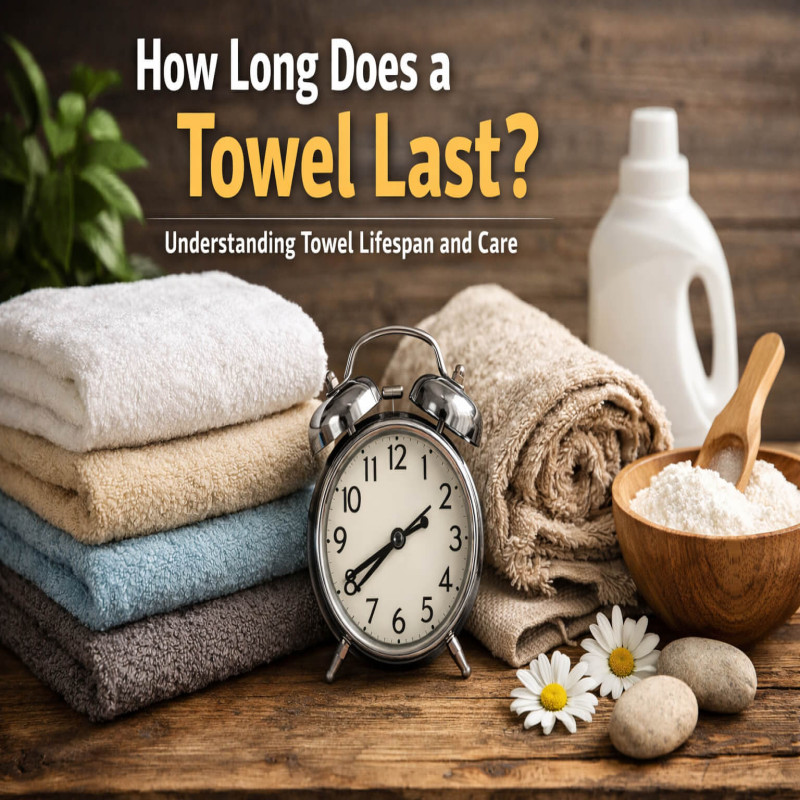
Towels are an essential part of daily life, offering comfort, hygiene, and luxury. However, many people rarely consider how long their towels should last or how to maximize their lifespan. Over time, towels lose their absorbency, softness, and freshness, making it necessary to replace them. In this guide, we will explore how long towels last based on materials, usage frequency, and maintenance practices.
Key Takeaways
- Different towel materials have varying lifespans, with cotton towels lasting longer than synthetic blends.
- Proper washing, drying, and storage techniques significantly extend the usability of towels.
- Recognizing signs of wear and tear ensures timely replacement for hygiene and comfort.
- Investing in high-quality towels can enhance durability and performance over time.
How Long Do Different Types of Towels Last
The lifespan of a towel depends largely on its material and usage. High-quality cotton towels, such as Egyptian or Turkish cotton, typically last between two to five years with proper care. Microfiber towels, often used for cleaning and sports activities, have a shorter lifespan of one to three years due to their synthetic composition. Bamboo towels, known for their eco-friendliness and softness, can last around three to four years but require delicate care to maintain their integrity.
Frequent use and washing also influence towel longevity. Bath towels used daily may need replacement after two years, while guest towels, which are used less frequently, can last up to five years. Hand towels and washcloths experience higher friction and moisture exposure, shortening their durability to about one to two years. Understanding these factors helps in making informed decisions about when to replace towels.
Signs That Your Towel Needs Replacing
Even high-quality towels eventually show signs of deterioration. One of the first indicators is a loss of absorbency. If a towel no longer effectively soaks up moisture, it may be time for a replacement. Additionally, persistent odors, even after thorough washing, suggest trapped bacteria and mildew, making the towel less hygienic.
Another common sign is visible wear and tear. Frayed edges, thinning fabric, and faded colors indicate that the towel’s fibers are breaking down. Hard or rough textures develop when fabric softeners and detergent residue accumulate, reducing the towel’s softness. Recognizing these changes ensures that towels are replaced at the right time to maintain hygiene and comfort.
How to Extend the Lifespan of Your Towels
Proper care significantly impacts how long towels remain soft, absorbent, and fresh. One of the most effective ways to prolong towel life is by washing them correctly. Using mild detergent and avoiding fabric softeners helps prevent buildup that affects absorbency. Washing towels separately from other fabrics minimizes lint transfer and maintains their quality.
Drying techniques also play a crucial role. Overdrying in high heat can weaken fibers, causing towels to become brittle over time. Instead, air drying or using a low-heat setting in a tumble dryer preserves the fabric’s integrity. Storing towels in a dry, well-ventilated space prevents mildew growth and keeps them fresh for longer periods.
Regular deep cleaning also enhances towel longevity. A mixture of vinegar and baking soda in the wash cycle removes residue and restores absorbency. These simple but effective practices ensure that towels stay in excellent condition for an extended period.
Does Towel Quality Affect Longevity
The quality of a towel significantly determines how long it will last. High-thread-count towels made from premium cotton fibers offer superior durability compared to lower-quality options. Egyptian and Turkish cotton towels, known for their long-staple fibers, maintain softness and absorbency longer than standard cotton or synthetic blends.
Additionally, the weaving technique affects longevity. Combed cotton towels, which undergo a process to remove short fibers, are less prone to shedding and thinning. On the other hand, ring-spun cotton towels, crafted from twisted yarns, provide enhanced strength and durability. Investing in high-quality towels initially may lead to cost savings over time, as they require less frequent replacement.
Conclusion
Towels have a limited lifespan, but proper care can extend their usability significantly. Understanding the factors that influence durability, recognizing signs of wear, and implementing effective maintenance techniques ensure that towels remain soft, absorbent, and fresh for years. By choosing high-quality materials and adopting good washing habits, you can maximize the longevity of your towels and maintain optimal hygiene and comfort in your home.
Meet Your Guide

Go Soundproof Team
The Go Soundproof Team is a group of soundproofing enthusiasts and product testers dedicated to helping you create quieter, more peaceful spaces. We review and test the latest quiet appliances and noise-reducing solutions to provide honest, expert advice you can trust.